
Is Nairobi Safe for Tourists? Advisories, Areas and Transport
Yes, with rules: three government advisories name the CBD, Eastleigh, Mathare and Kibera, say no walking after dark, and prefer taxis or ride apps to matatus.
Nov 2, 2026 9 min read
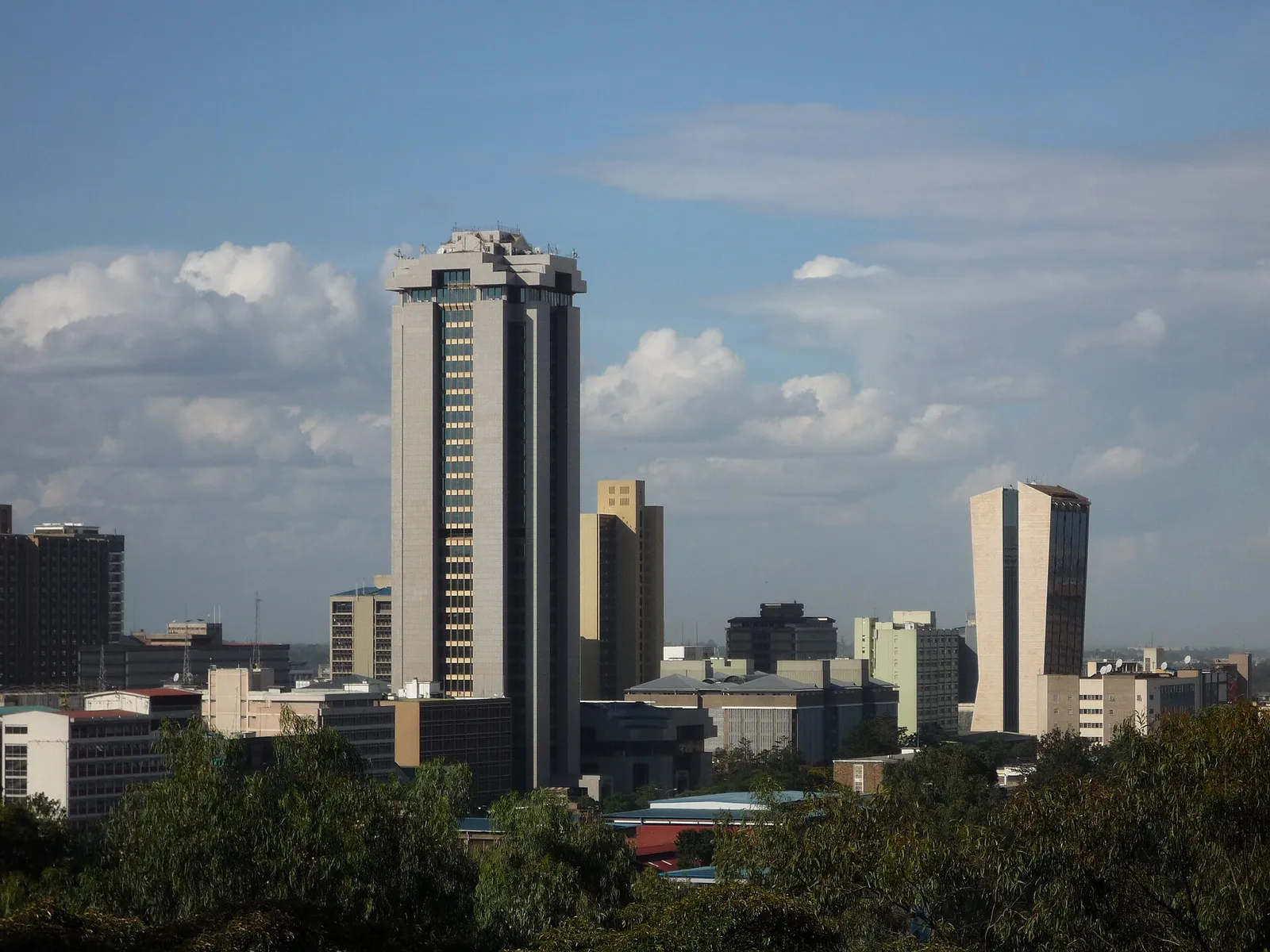 Image unavailable
Nairobi is workable for a visitor who follows a short list of rules, and the three government advisories we read on 2 November 2026 agree on what that list is. The UK, Australia and Canada all tell you the same things: do not walk after dark, be careful in the Central Business District (CBD), Eastleigh, Mathare and Kibera, skip matatus and boda bodas, and move by licensed taxi or a ride-hailing app. Below is what each advisory says about Nairobi specifically, the scams they name, and the guided options that build a daytime plan around those rules, from a US$25 walking tour of the centre to a US$50 wildlife day with transport.
Three advisories rate Kenya "high degree of caution" and name the same Nairobi areas
Australia's Smartraveller advice (updated 17 October 2026) and Canada's travel advice (updated 15 October 2026) both set Kenya at "exercise a high degree of caution" because of terrorism and violent crime, with stricter levels for the Somalia border counties and parts of the coast. The UK's FCDO safety and security page says there are frequent incidents of violent crime, including mugging, armed robbery and carjacking, in the large cities and on major highways, and that the risks are higher in some areas of Nairobi: Eastleigh, the CBD, and Mathare, Kibera and other informal settlements. Canada's list is almost identical (the CBD, Eastleigh and Pangani, Mathare and Kibera) and it goes one step further on Kibera, advising against non-essential travel there.
None of the three says avoid Nairobi. What they describe is a city where petty theft is common in the places visitors use (markets, bus and railway stations, hotel lobbies, restaurant terraces) and where the serious crimes happen mostly after dark, on the roads, or in homes. The FCDO adds that crime rates are often higher around Christmas and New Year.
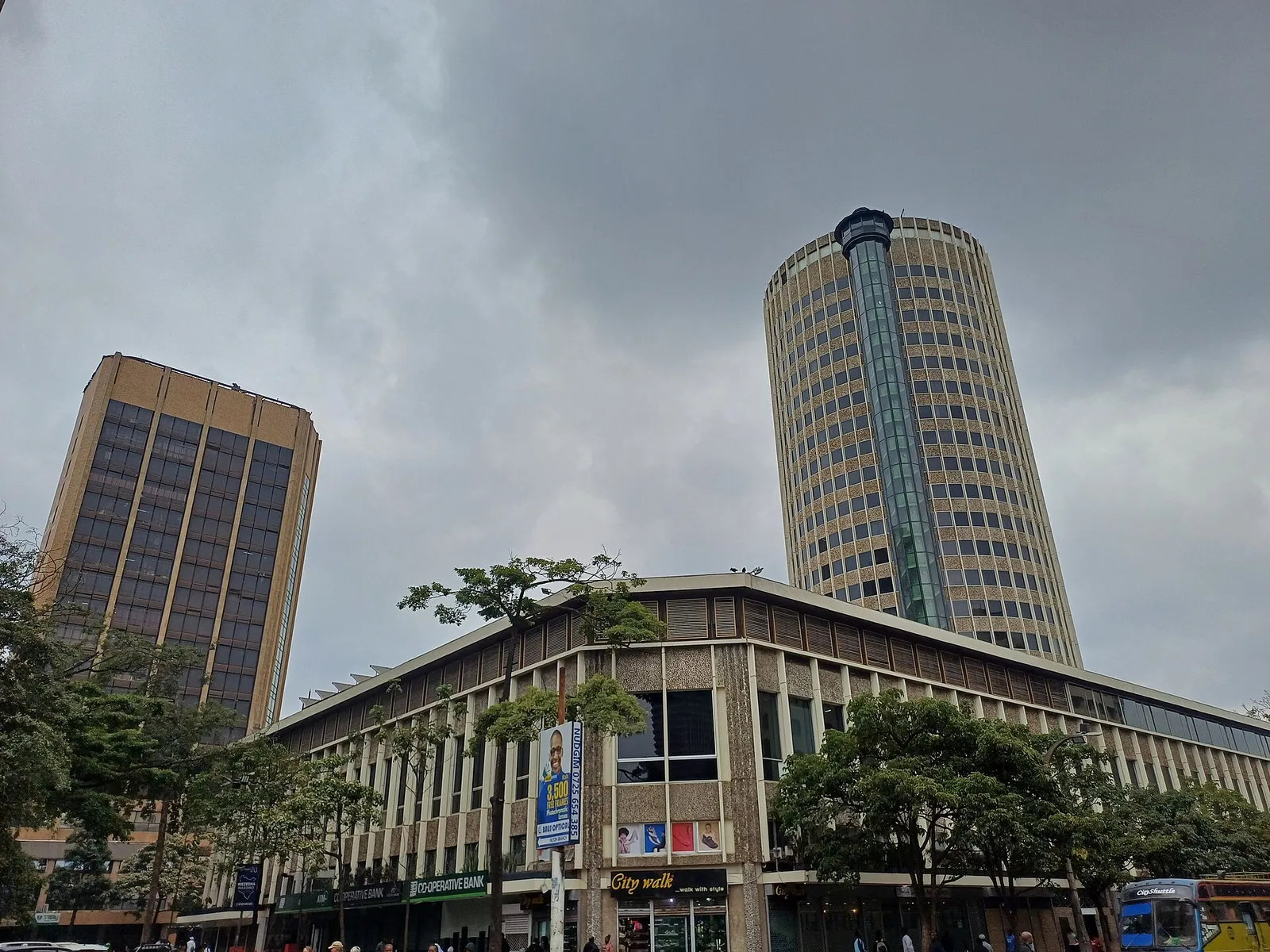 Image unavailable
The CBD is on every advisory's list, which is why the walking tour covers it in daylight with a guide and a safety briefing.
Photo credit: DesiBoy101, CC BY 4.0
| Advisory | Overall level for Kenya | Nairobi areas it names | Transport advice |
|---|---|---|---|
| UK FCDO | Advises against all travel to parts of Kenya (border and some coastal areas); no blanket warning for Nairobi | Eastleigh, CBD, Mathare, Kibera and other informal settlements | Use Mombasa Road or the Nairobi Expressway from the airport; carjacking risk is higher on Airport South Road and Jogoo Road; frequent matatu hijackings |
| Australia Smartraveller (17 Oct 2026) | Exercise a high degree of caution | Nairobi generally: carjacking, kidnapping, home invasions; "don't walk around after dark" | Officials there do not use matatus or boda bodas; use licensed taxis or ride apps; reputable companies for night runs to JKIA and Wilson |
| Canada (15 Oct 2026) | Exercise a high degree of caution | CBD, Eastleigh and Pangani, Mathare, Kibera (avoid non-essential travel to Kibera) | Matatus unsafe; avoid boda bodas and tuk-tuks; licensed taxis or a trusted ride app, confirm the plate and never share the ride |
See the centre on a guided daytime walk rather than alone
The FCDO's rule is to avoid walking alone in isolated areas, including in daylight, and all three put the CBD on their lists. The practical answer is a guided walk in daylight with someone who knows which streets to use. Happy Tribe's Nairobi Historic & Modern Highlights Walking Tour costs US$25 per person and covers about 4.3 km in three to four hours, with stops that commonly include Jeevanjee Gardens, City Market (with a fruit tasting), Jamia Mosque, McMillan Memorial Library, Kenyatta Avenue, the Dedan Kimathi statue, the Supreme Court, City Hall and Parliament. It starts with a safety briefing, the guide gives city-safety and shopping guidance as you go, and bottled water and a portable Wi-Fi hotspot are included. You meet outside CJ's on Koinange Street 10 minutes before the confirmed start; the guide wears a Happy Tribe cap or T-shirt. The KICC rooftop is optional and its entry fee is extra. It is not suitable for most wheelchair users, and drones, alcohol and military-style clothing are not allowed on the walk.

Nairobi Historic & Modern Highlights Walking Tour
See Nairobi through the people, stories and everyday details that give the city its character. A Happy Tribe guide leads a relaxed walk through the historic centre, linking colonial-era landmarks with modern civic life, markets, public art and the small street encounters most visitors miss. Along the approximately 4.3 km (2.6 mile) route, learn useful Swahili phrases, sample seasonal fruit at City Market and get practical, locally informed advice on shopping and moving around the city. Stops commonly include Jeevanjee Gardens, City Market, Jamia Mosque, McMillan Memorial Library, Nation Centre, Kenyatta Avenue, the Sarova Stanley, the Dedan Kimathi statue, the Supreme Court, City Hall and Parliament. The KICC rooftop may be added when open; its entry fee is paid separately. This is Happy Tribe Travel’s signature Nairobi introduction and the first experience in its Visatile collection. Guides explain photo etiquette and create respectful contact with local market vendors, shoe shiners, curio traders and street photographers.
per person
$25
View experienceIf you would rather see more ground from a vehicle, the same host runs the Nairobi Green Bus City Sightseeing Tour, also US$25 per person, for about four hours with short guided stops. It takes up to 32 people, needs a minimum of two, includes hotel pickup and drop-off when that option is confirmed, and accepts ages from 1 upwards. The KICC helipad is excluded (US$4, card only, paid at the KICC reception). Cancellation is a full refund 24 hours before and 50% up to 12 hours before. For the full set of Nairobi tours, including museums and Bomas, see our comparison of Nairobi city tours.
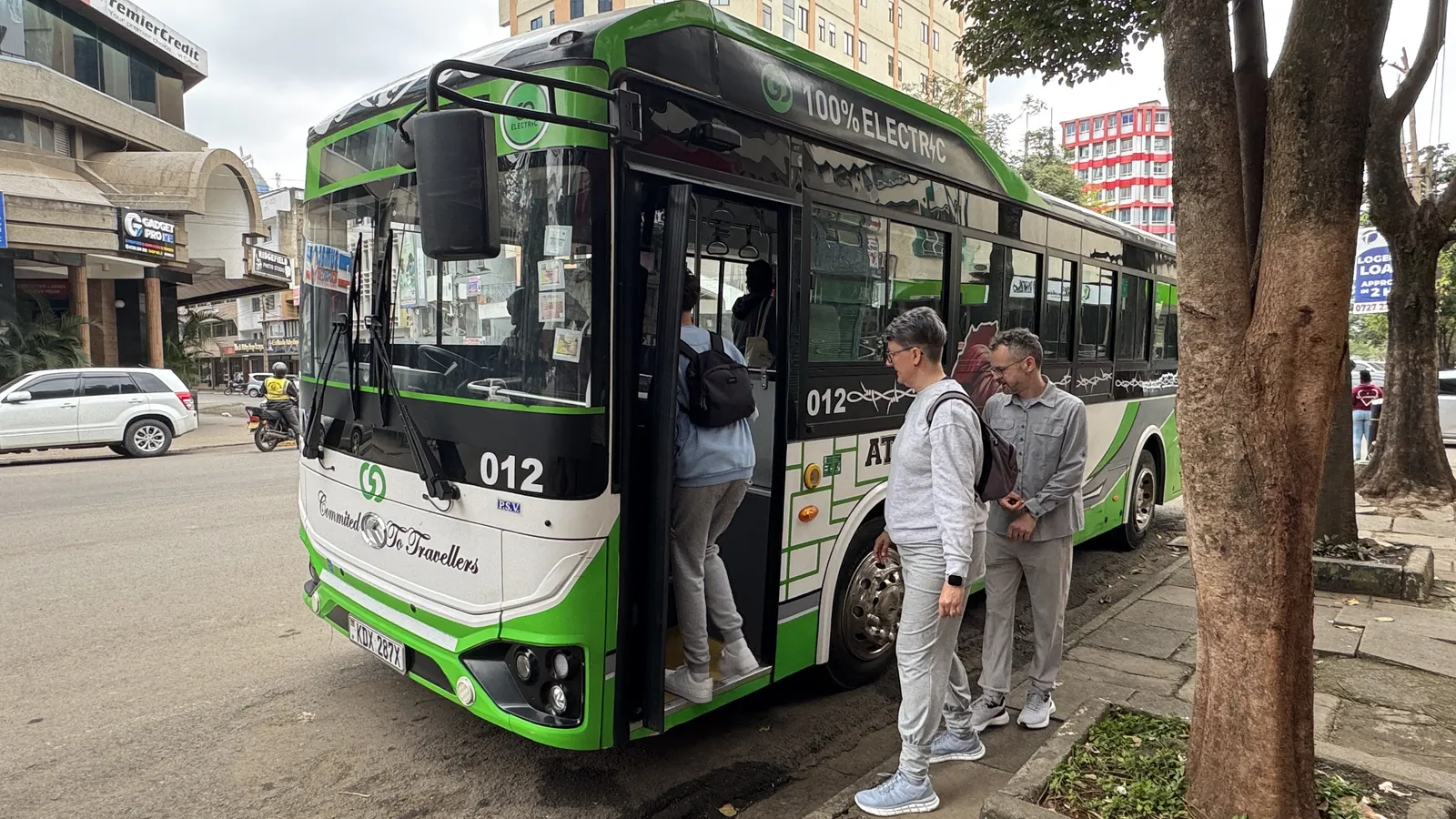
Nairobi Green Bus City Sightseeing Tour
Cover central Nairobi with the comfort and perspective of a guided sightseeing bus, then step off for closer looks at key landmarks. A Happy Tribe guide adds context to the skyline, independence-era monuments, public buildings, markets and the neighbourhoods linking old and new Nairobi. The approximately four-hour experience normally starts near CJ’s and combines a city drive with short guided stops. It is a useful first-day orientation for guests who want more range than a walking-only route while still having a local guide available for questions and photographs.
per person · 4 hours
Minimum 2 guests
$25
View experienceKibera: the advisories say avoid it, and the only sane way in is with a resident guide
Be clear-eyed about this one. Canada advises against non-essential travel to Kibera because of the crime rate, and the FCDO lists it among the higher-risk areas. Neither advisory makes an exception for guided visits, so going is your decision. If you do go, the two walks we list are both led by people who work in the neighbourhood, and both are explicit that you should never enter independently.
Happy Tribe's Kibera Compassionate Walking Tour is US$25 per person for roughly three hours, with a safety and photo-etiquette briefing, bottled water, and a rule of consent before any photograph. The host confirms the meeting point and guide contact after booking and asks you not to make direct donations or promises on the walk. Transport is not included unless confirmed.

Kibera Compassionate Walking Tour
Visit Kibera with a local guide who approaches the neighbourhood as a living community rather than a spectacle. The walk focuses on everyday enterprise, local initiatives, creativity and the people building opportunity from within. Happy Tribe’s approximately three-hour format emphasises consent before photographs, respectful conversation and listening to community voices. Guests should arrive curious, follow the guide’s advice closely and avoid making promises or donations directly unless a trusted local partner has been identified.
per person
$25
View experienceThe Kibera Community Walk with Lucas is US$35 per person for about three and a half hours. It begins with a briefing at Greenhouse Mall, then moves through Toi Market, a bone-jewellery workshop, a women-led initiative and, when the hosts welcome guests, a home and the Hope and Shine school. All local tour fees are included; transport to and from Greenhouse Mall, meals and drinks are not. Wear closed shoes: the route crosses busy streets, narrow paths and uneven ground.
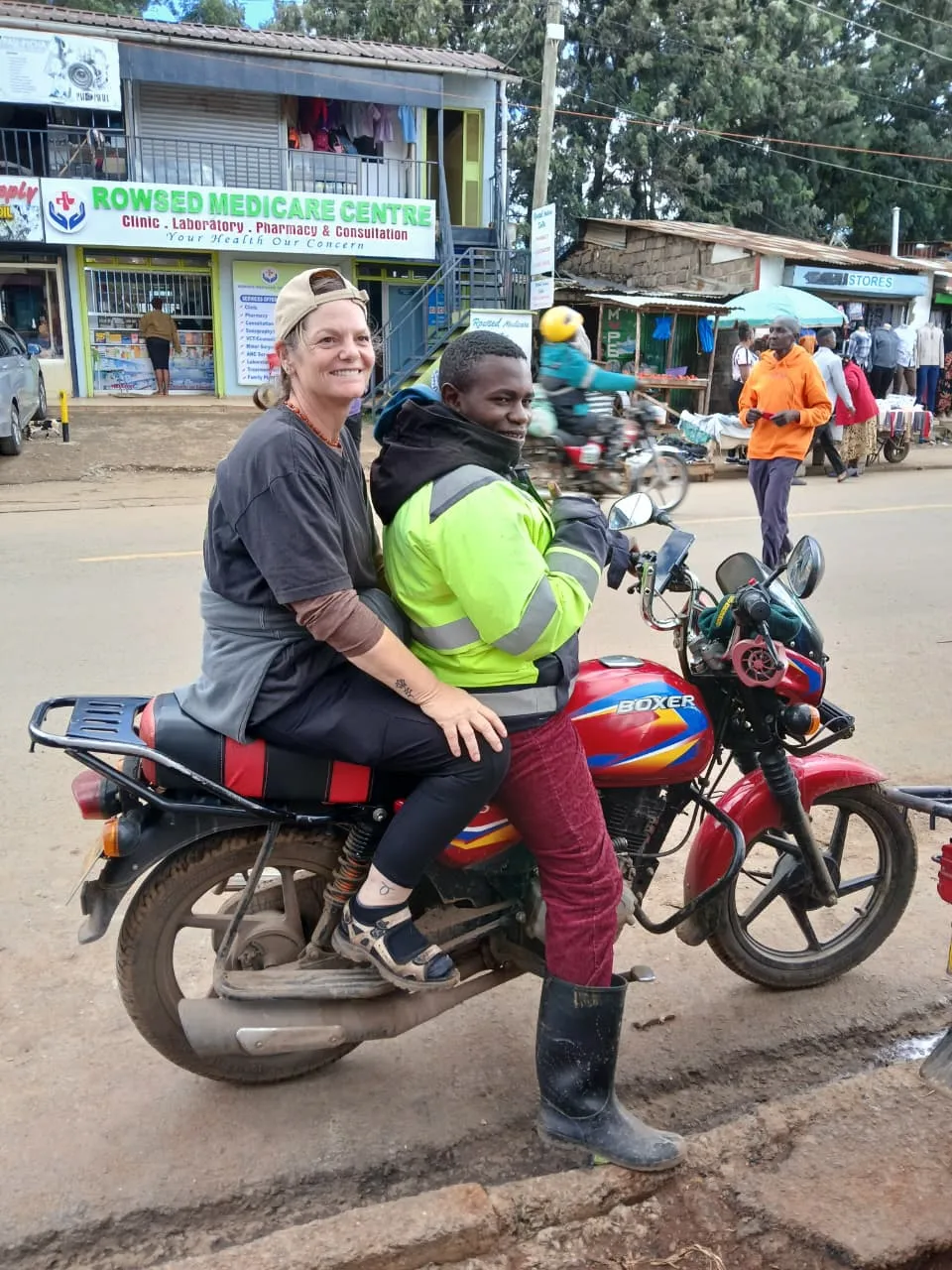
Kibera Community Walk with Lucas
Walk through Kibera with Lucas and meet the neighbourhood through the people who live and work there. From Toi Market and a bone-jewellery workshop to women-led initiatives, a home visit and a community school, this three-and-a-half-hour experience centres resident voices, everyday enterprise and respectful conversation.
per person
$35
View experienceUse a licensed taxi or a ride app, and skip matatus and boda bodas
This is where the advisories are most specific. Smartraveller says Australian officials in Kenya do not use public buses, matatus or boda bodas, and tells you to book ride-hailing only through official apps and to use reputable companies for night journeys to and from JKIA and Wilson airports. Canada's checklist for a ride app is worth copying: confirm the driver's identity and the licence plate before you get in, do not share the ride with another passenger, and use the app's feature to share your trip with a contact. For a street taxi, use one arranged by your hotel or from an official stand, ask for ID, agree the fare or meter in advance, and never share with strangers. Canada also warns against tuk-tuks and boda bodas because of accident rates.
The FCDO adds two Nairobi road rules: between Jomo Kenyatta International Airport and the city, use Mombasa Road or the Nairobi Expressway, because carjacking risk is higher on the old Airport South Road and Jogoo Road; and keep windows up and doors locked in traffic, since bag-snatching through open windows at traffic lights is a known pattern. Bag-snatching is also common in bus and railway stations, so keep the Madaraka Express terminus in mind if you are heading to Mombasa; our solo transport guide covers that leg.
 Image unavailable
Matatus are the one mode all three advisories tell visitors to skip. Book a licensed taxi or a ride app instead.
Photo credit: Lebu Ayiga, CC BY-SA 4.0
The scams to know before you need to
- Fake police and officials. The FCDO says thieves pose as police or private security guards to take charge of passports and valuables; always ask for identification. Canada's advice if someone demands an on-the-spot fine: ask for a written fine you can pay later, or insist on going to the nearest police station. The FCDO notes that on-the-spot traffic fines are common but illegal.
- Carry ID. The FCDO says you must always carry ID; a copy of your passport is normally acceptable, but police may insist on the original, so keep it within reach.
- Drink and food spiking. Do not accept drinks, food, gum or cigarettes from strangers in bars or clubs. The FCDO also flags methanol in alcoholic drinks as a growing risk in many destinations.
- ATMs and cards. Canada reports people being followed and robbed after withdrawing cash; use ATMs inside a bank or in a well-lit public place and cover the keypad. Our money guide explains how to carry less cash by using M-PESA.
- Protests. The FCDO says protests are common in Nairobi, can turn violent and often cause traffic disruption; Canada adds that security forces have used tear gas and that curfews and internet disruption are possible. Stay away from political gatherings and check local news on key dates.
- Photographs. It is illegal to photograph official buildings, including embassies, and at airports.
- Other laws. Smoking outside designated areas carries a fine of up to KES 50,000 or up to six months in prison; same-sex relationships are illegal and public affection can lead to arrest.
A first day that follows the rules
Start early with a wildlife day that includes its own vehicle: Happy Tribe's Nairobi National Park, Elephant Orphanage & Giraffe Centre day is US$50 per person with transport in the confirmed tour vehicle, a driver-guide and bottled water. Pickup time and vehicle details come after booking, and park and conservation fees are only included when your confirmed option says so, so ask before you pay. Carry your passport or ID. Our guides to getting to the park and doing the game drive in a morning cover the fees and gates.
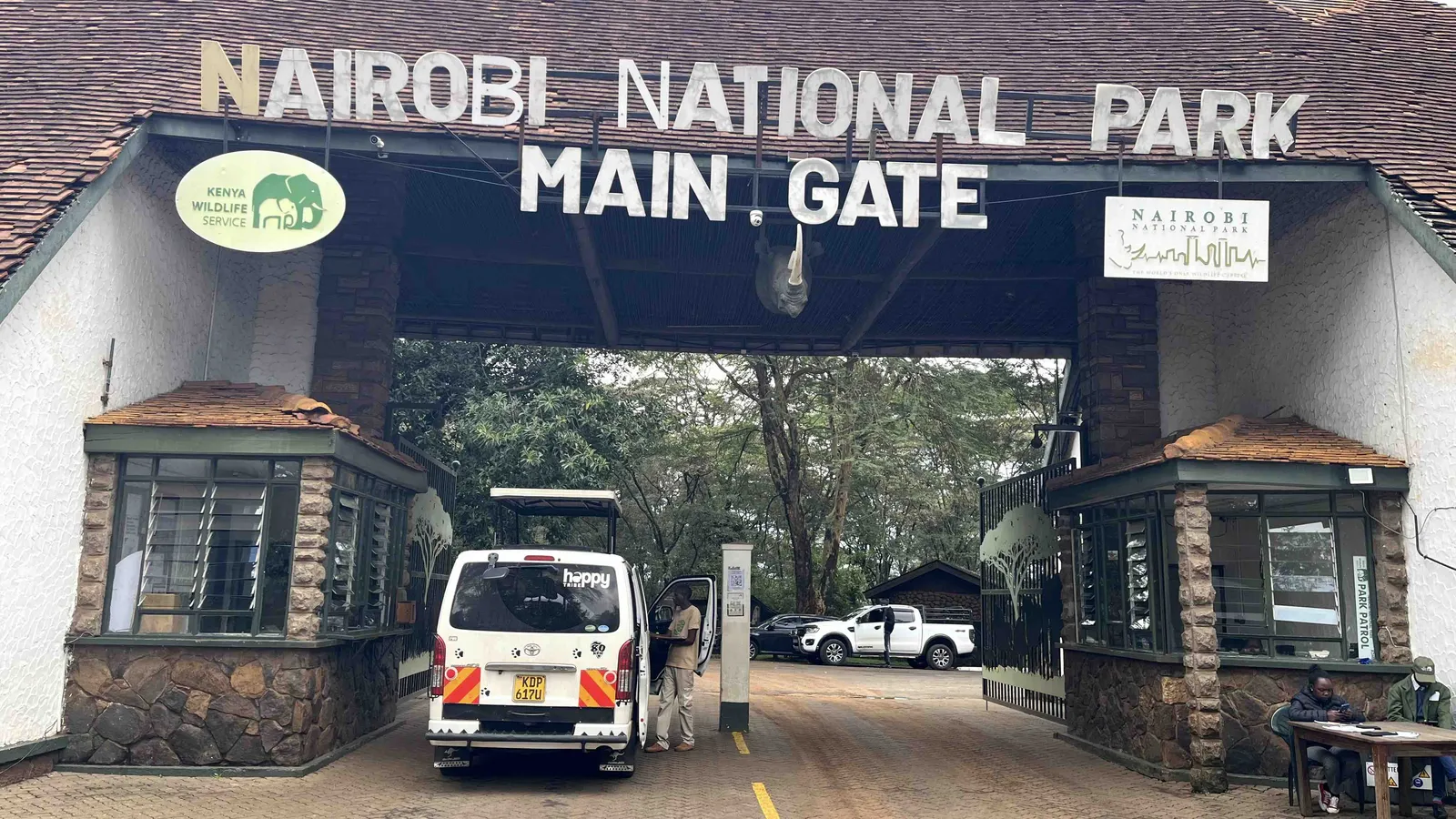
Nairobi National Park, Elephant Orphanage & Giraffe Centre
Experience Nairobi’s remarkable wildlife circuit in one day. Start with an early game drive in Nairobi National Park, where open grassland and city skyline meet, then continue to conservation-focused visits with rescued young elephants and endangered Rothschild’s giraffes. A Happy Tribe guide coordinates the route, timing and transfers so guests can focus on wildlife, photography and the stories behind each conservation project. Exact access depends on park rules, timed-entry availability and the option confirmed after booking.
per person
$50
View experienceSpend the afternoon on the guided city walk, and be back at your accommodation before dark. If you want a night out, our first-night dancing plan is built around getting home safely. In an emergency, Smartraveller lists 999 for police, fire and medical services; both Canada and the FCDO also point to the Kenya Tourism Federation's 24-hour Safety and Communication Centre for tourist assistance.
More on Kenya: Nairobi City Tours Compared · Going Dancing Alone in Nairobi · Getting Around Kenya Solo · How Much Is a SIM Card in Kenya? · One Day in Nairobi
Prices checked 2 November 2026.
Good to know
Yes, with rules. The UK, Australian and Canadian advisories read on 2 November 2026 rate Kenya at a high degree of caution, not avoid, and give the same Nairobi advice: do not walk after dark, take care in the CBD, Eastleigh, Mathare and Kibera, skip matatus and boda bodas, and use licensed taxis or ride apps.
The FCDO names Eastleigh, the Central Business District, Mathare, Kibera and other informal settlements as higher-risk. Canada names the CBD, Eastleigh and Pangani, Mathare and Kibera, and advises against non-essential travel to Kibera.
The CBD is on every advisory's list and the FCDO says to avoid walking alone in isolated areas even in daylight. The practical option is a guided daytime walk: Happy Tribe's US$25 walking tour meets outside CJ's on Koinange Street, covers about 4.3 km in three to four hours and starts with a safety briefing. Do not walk after dark.
Canada advises against non-essential travel to Kibera and the FCDO lists it as higher-risk, so going is your decision. If you go, go only with a resident guide: Happy Tribe's walk is US$25 for about three hours, and the Kibera Community Walk with Lucas is US$35 for about three and a half hours from Greenhouse Mall. Both say never enter independently.
The advisories say no. Smartraveller says Australian officials in Kenya do not use matatus or boda bodas, Canada calls matatus unsafe and overcrowded with theft common after dark, and the FCDO reports frequent minibus hijackings. Use a licensed taxi arranged by your hotel or a ride app, and confirm the driver and plate before getting in.
999 for police, fire and medical emergencies, as listed by Smartraveller. The Kenya Tourism Federation also runs a 24-hour Safety and Communication Centre for tourists.