
Rwanda Coffee Tours Outside Kigali: Three Farm Days Compared
Three Rwandan coffee farm days you can book: Azizi Life in Byimana (US$100, 8 hours), Isano in Kamonyi (US$60, 7 hours) and a Gakenke visit (US$60, 4 hours).
Nov 1, 2026 8 min read
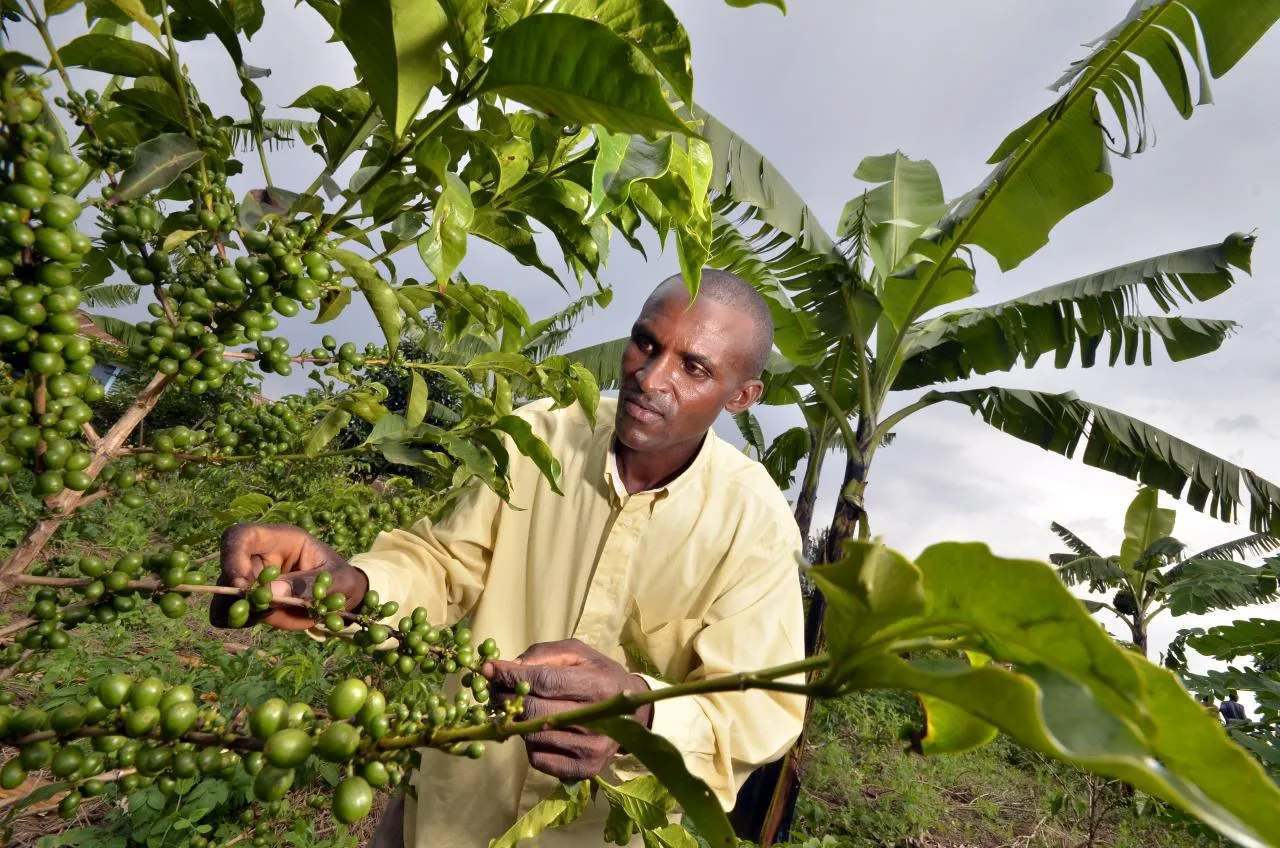 Image unavailable
You can spend a day on a Rwandan coffee farm from three places outside Kigali: Azizi Life's day in Byimana (US$100 per person, about eight hours, minimum two people), Isano's community day in Kamonyi (US$60 per person, seven hours, lunch included) and a four-hour hosted farm visit in Gakenke (US$60 per person). All three put you with the growers rather than at a washing station, and on the first two you pick, wash, roast, grind and brew the beans yourself. If you only have an afternoon in the city, the Kigali workshop we covered separately does the roasting and brewing without the farm.
Harvest runs from late February to May, and later in the north
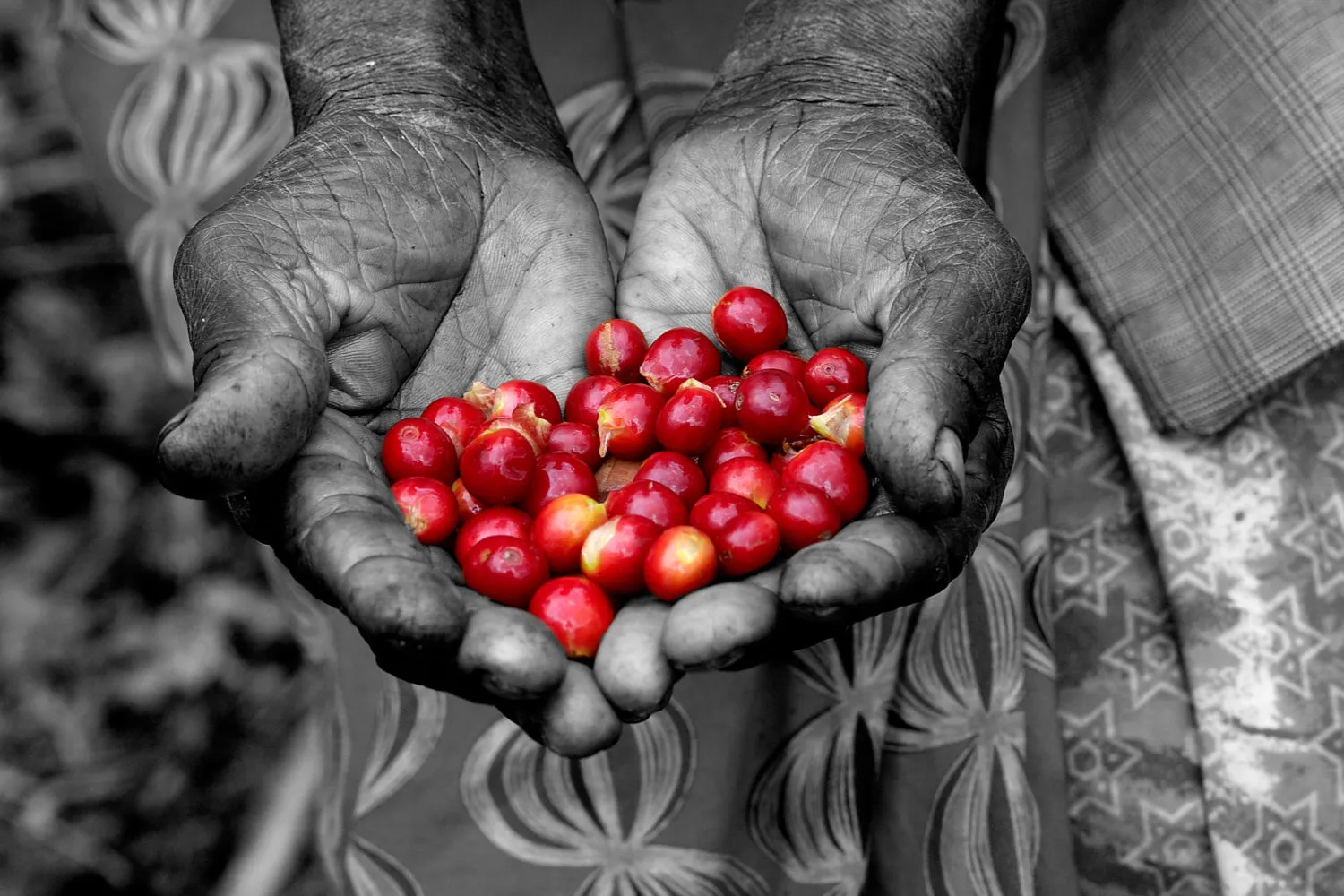
Rwanda grows one coffee crop a year. The trees flower with the first rains in September, after the June to August dry season, and harvesting starts in late February on the Lake Kivu shore and in early March elsewhere, with some areas of the Northern Province still picking into August (NAEB, About Rwanda coffee). The cherries turn deep red when they are ready, and the harvest usually falls between February and May (Visit Rwanda, Coffee).
That matters for what you will do. In the harvest months you can pick ripe cherries yourself. Outside them, the farm visit still covers the trees, the weeding and the processing, but the picking part will be a demonstration with whatever is on the bushes. Ask us what is happening in the field on your date. About 95% of Rwanda's crop is Bourbon Arabica, grown by around 400,000 smallholder families on plots below 1,900 metres, so every one of these days is a visit to a small family farm, not an estate.
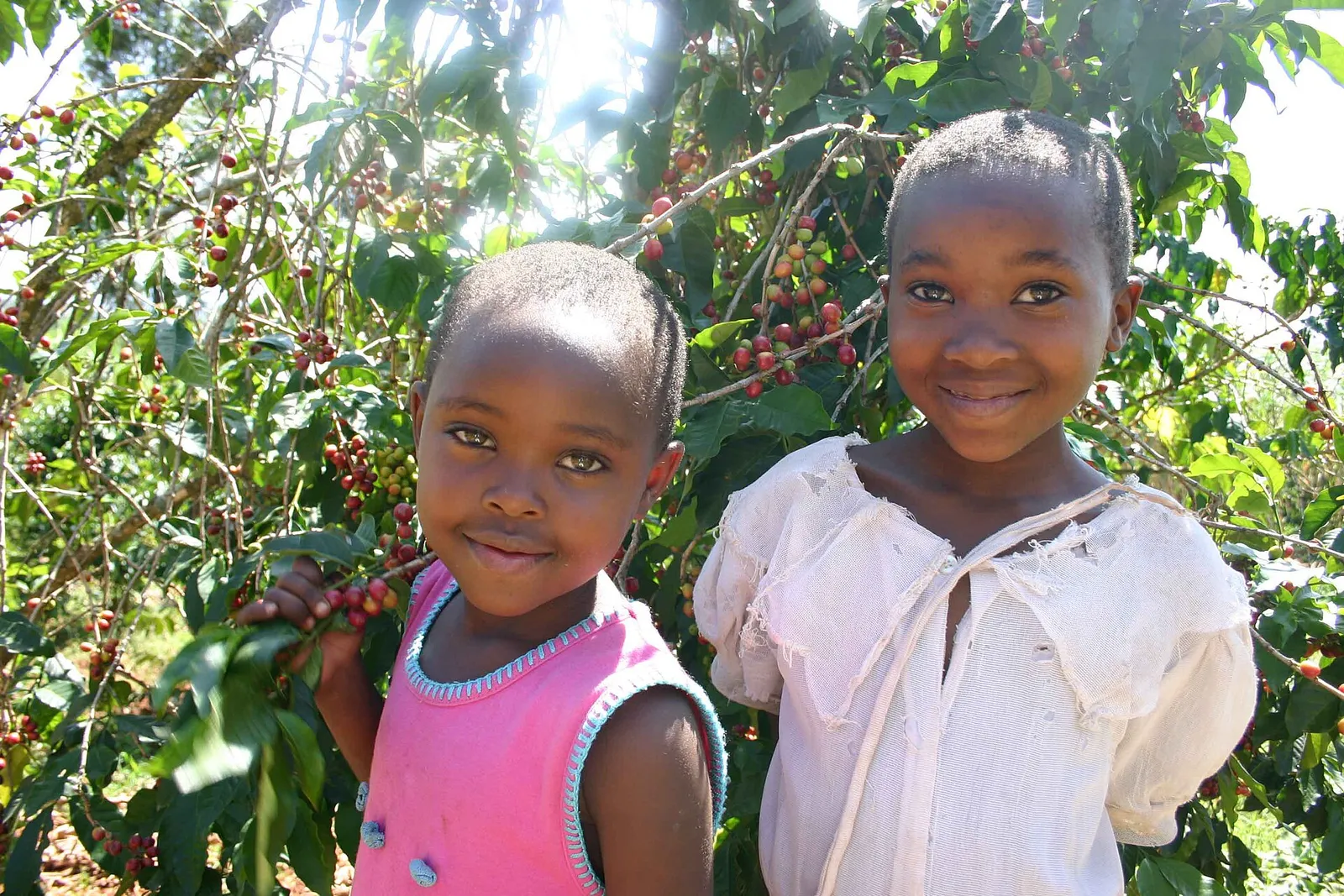 Image unavailable
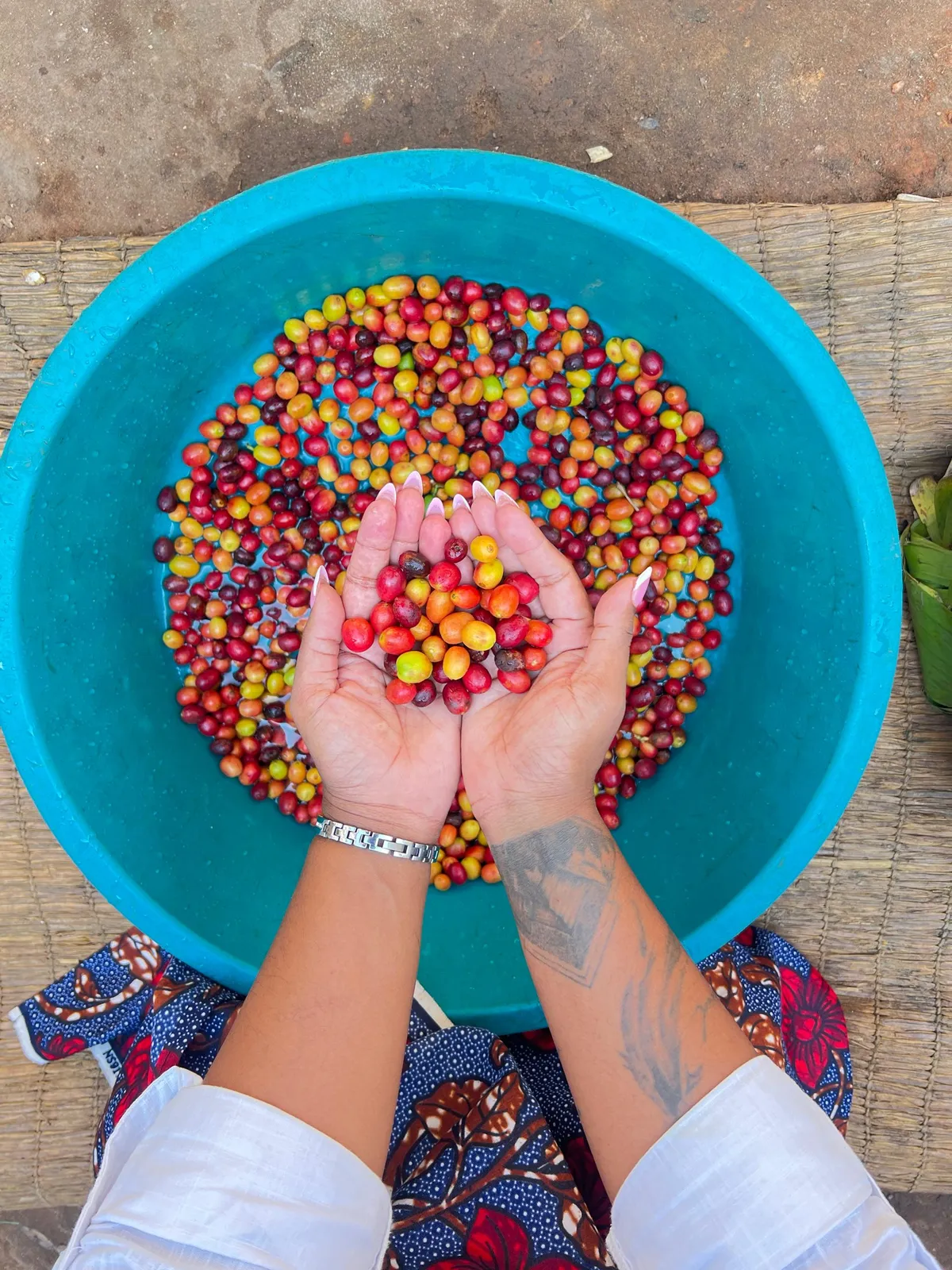
Ripe coffee cherries at Mushubati, Rwanda. In the harvest months the Azizi Life day has you picking them by hand.
Photo credit: Andy Carlton, CC BY-SA 4.0
Azizi Life's day in Byimana follows the cherries from bush to cup
The Traditional Coffee Experience starts at Azizi Life's office and boutique in Byimana, Ruhango, which the host puts at about an hour and a half from Kigali. From there you drive to a nearby village, where women from an artisan cooperative host you for the day. The host's example schedule runs from an 08:30 welcome to about 16:00: you help start lunch, go to the coffee plots to weed and harvest cherries, fetch water from the valley spring (or stay with the cooking), wash and pulp the beans and lay them out to dry, eat a cooked vegetarian lunch such as cassava and beans with your host family, then hand-roast, grind and sieve dried beans and brew your own cup (Azizi Life, Traditional Coffee Experience).
It costs US$100 per person, needs at least two people and takes up to 12. The price covers the coffee processing activity, an Azizi Life facilitator who translates, and the tasting with your hosts. Transport is extra unless the host confirms it, and tips and personal spending are yours. The day ends back at the office with a cold Fanta and the artisans' crafts for sale. Azizi Life says it donates 5% of tourism revenue to its community nonprofit.
Two things to know. Rwandan women in the villages do not usually show their knees, so women are asked to wear trousers or a skirt that covers them. And you can opt out of any task and sit and watch; the hosts farm six hours at a stretch and do not expect you to keep up.
Traditional Coffee Experience
A rural coffee experience with Azizi Life where guests learn the traditional process of picking, washing, roasting, grinding, and tasting Rwandan coffee with cooperative hosts. Price confirmed by the host: $100 per person.
per person · 8 hours
Minimum 2 guests
$100
View experienceIsano's Kamonyi day is the cheapest full day and includes lunch
The Isano Coffee Experience takes you to a host community in Kamonyi, in the Southern Province, for seven hours. You follow the coffee from the farm and bean preparation through to the final cup, learning how it is grown, processed and drunk locally, while sharing village life, lunch and conversation with the hosts. The welcome, in the host's words, comes with hugs and songs.
It is US$60 per person, and the price does a lot: a local English- or French-speaking guide, lunch with the community, village snacks, bottled water, local food and drink tastings, tea and coffee, all materials, a first-aid kit, a refreshment drink at the end, a fair wage for the host community and a contribution to Isano's community development fund. Book before 31 December 2026 and the early-bird rate is US$40. The experience is for ages 16 to 85, takes up to 30 people and runs for a single booking. Transport is not included unless you agree it when you book, and any extra activity you add on the day is charged separately.
Isano works with women's cooperatives in Kamonyi District that farm, keep poultry, weave and tailor, so this is the day to pick if you want the coffee inside a wider community visit rather than as the whole point (Isano Experiences).
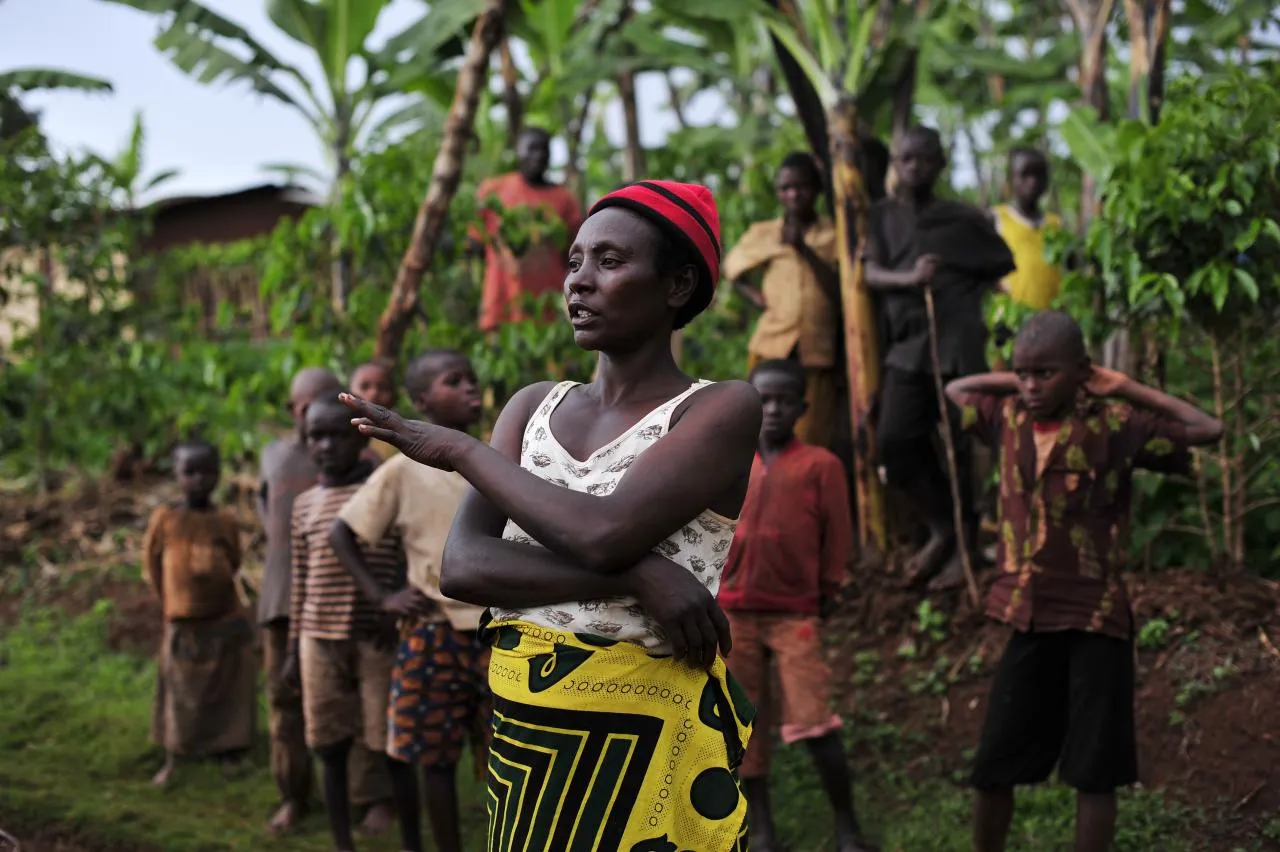 Image unavailable
Coffee grown between banana plants on a smallholding in Rwanda. Isano and Azizi Life both host you on family plots like this.
Photo credit: Neil Palmer (CIAT), CC BY-SA 2.0
Isano Coffee Experience: A Journey from Bean to Cup
Follow Rwanda's coffee story with Isano community hosts, from the farm and bean preparation through to the final cup. Guests learn how coffee is grown, processed and enjoyed locally while sharing village life, lunch and conversation with the host community.
per person · 7 hours
$40
View experienceThe Gakenke visit is the short option at four hours
Beyond the Gorilla's Experience runs a four-hour Coffee Tour Experience in Gakenke, in the Northern Province between Kigali and Musanze. It is a hosted visit with local growers that follows the coffee story from farm to cup, priced at US$60 per person with VAT included and transport extra. The exact meeting point and start time come from the host after you book.
This one publishes the least detail of the three, so ask us two things before you commit: what the four hours include on your date, and if any site admission or other optional costs apply, which the host asks you to confirm. It is the obvious choice if you are driving between Kigali and Volcanoes National Park and can give the farm a morning or an afternoon rather than a day. Note that Gakenke is in the Northern Province, where NAEB says harvesting can run as late as August.
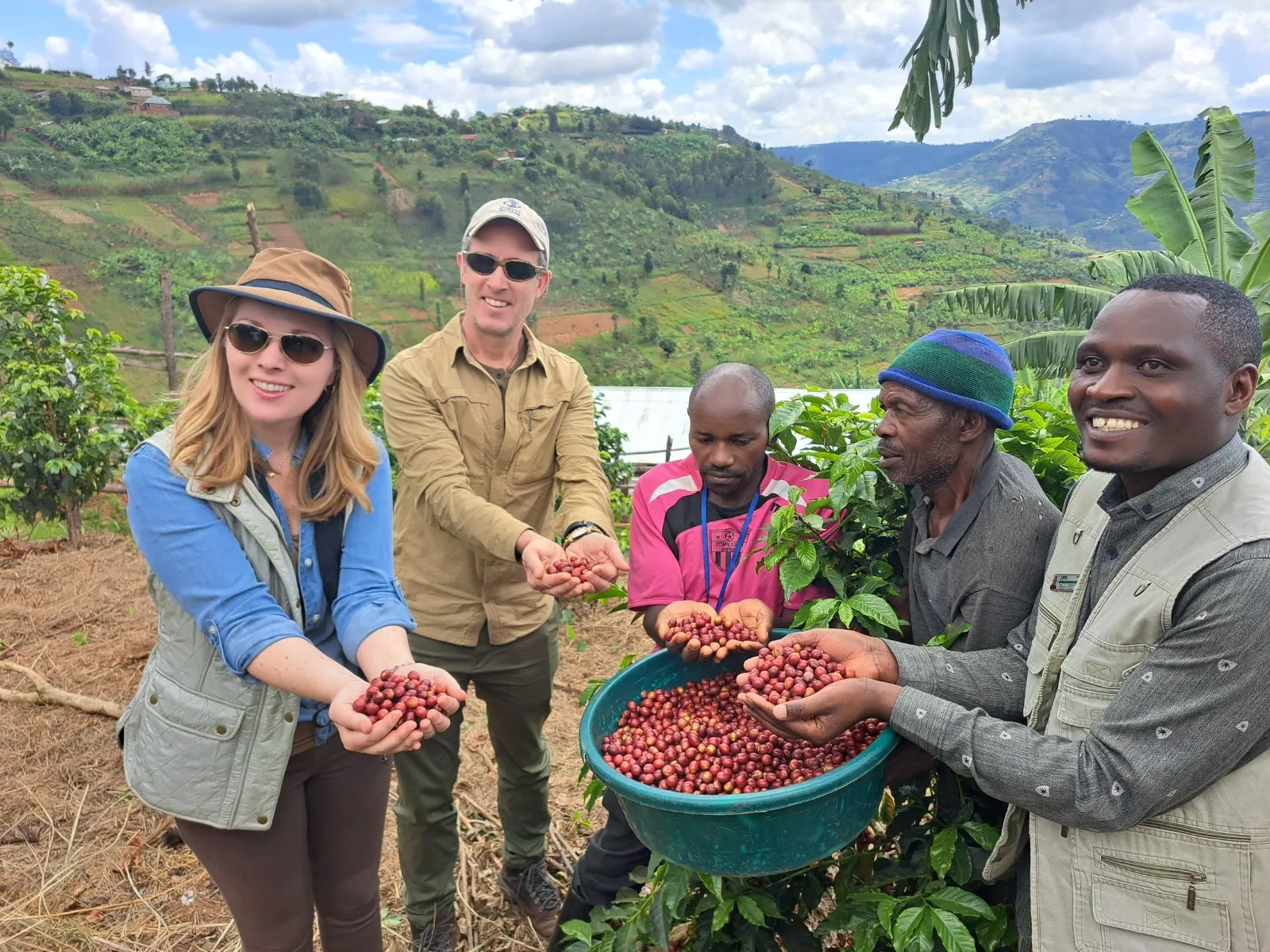
Coffee Tour Experience
Follow Rwanda's coffee story from farm to cup on a hosted visit with local growers. Starting from USD 60 per person, as published by the operator. Transport is extra; VAT is included. Confirm any site admission or other optional costs with the host before booking.
per person · 4 hours
$60
View experienceIf you only have an afternoon in Kigali, roast and brew instead
None of the farm days fits around a city schedule. The alternative is the three-hour Traditional Rwandan Coffee Experience at Umurishyo Arts Gallery & Coffee Lounge on KG 206 Street in Kigali: US$50 per person for hands-on processing, roasting, pounding and brewing, a tasting and a 250g bag of ground coffee to take home. It is a city workshop, not a plantation visit, which is exactly why it fits. We wrote it up in full in the Kigali coffee workshop guide.
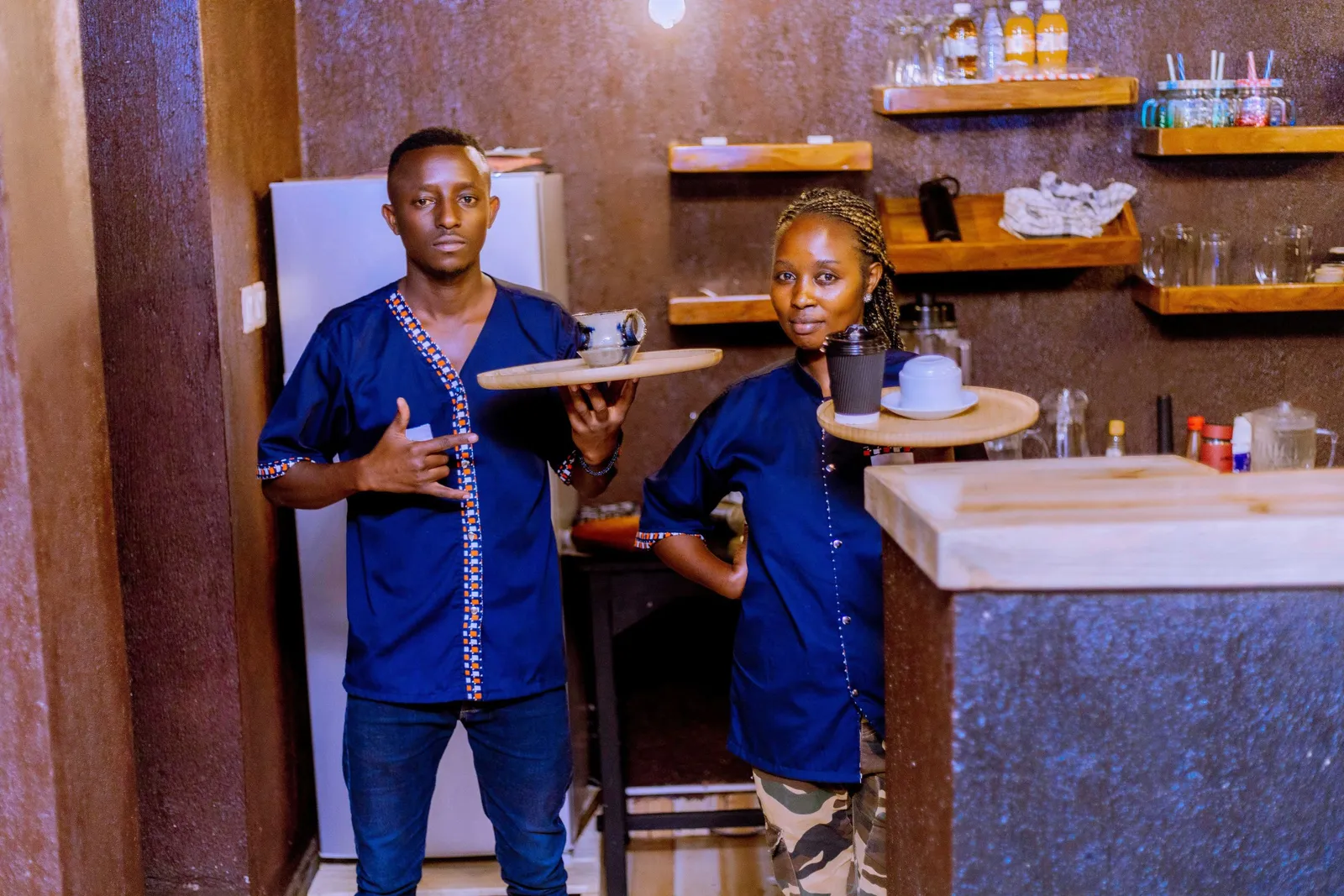
Traditional Rwandan Coffee Experience with 250g Gift
Follow Rwanda’s coffee story from bean to cup in a hands-on cultural session at Umurishyo Arts Gallery & Coffee Lounge in Kigali. Your host introduces the role of coffee in Rwandan hospitality before guiding you through traditional preparation. Take part in processing, roasting, pounding and brewing the beans, notice how their aroma and flavour change, share the finished brew and leave with a 250g bag of freshly ground Rwandan coffee. This is a city-based cultural workshop rather than a plantation visit.
per person · 3 hours
$50
View experienceThe three farm days compared
| Experience | Where | Length | Price per person | Lunch | Group |
|---|---|---|---|---|---|
| Azizi Life Traditional Coffee Experience | Byimana, Ruhango (about 1.5 hours from Kigali, per the host) | About 8 hours | US$100 | Vegetarian lunch with the host family | 2 to 12 |
| Isano Coffee Experience | Kamonyi, Southern Province | 7 hours | US$60 (US$40 early bird to 31 Dec 2026) | Lunch with the community, snacks and tastings | 1 to 30; ages 16 to 85 |
| Beyond the Gorilla's Coffee Tour Experience | Gakenke, Northern Province | 4 hours | US$60, VAT included | Not listed; ask | From 1 |
| Umurishyo coffee workshop (city alternative) | KG 206 Street, Kigali | 3 hours | US$50 | No; 250g coffee to take home | From 1 |
Transport is extra on all four. Tell us where you are staying and we will quote the transfer with the booking.
Lake Kivu's washing stations are booked through operators, not direct
Most published coffee tourism in Rwanda centres on the Lake Kivu shore near Gisenyi, where washing stations such as Kinunu, about 20 km south of the town, show the sorting, pulping, fermenting, grading and sun-drying stages before milling in Kigali. Visit Rwanda is clear that plantations do not deal with tourists directly, so those visits are arranged through a tour operator or the Rwanda Development Board. If that is the trip you want, build it into a lake stay rather than a day from the capital; our Lake Kivu guide covers Rubavu and Karongi.
What to wear and bring
Azizi Life's advice holds for all three farm days. Wear closed walking shoes, because the paths are steep and slippery after rain, and consider a spare pair if you will work in the fields. A long-sleeved shirt protects your arms if you cut grass. Expect sun. Bring a camera if you like; the hosts do not mind. Say in advance if you have a food allergy, since the food may contain nuts, and carry health insurance that covers the visit. Soap and water, bottled water, a first-aid kit and pit latrines are what you will find in the villages.
Which one to pick
- Coffee is the point of the trip: Azizi Life. It is the only day where the schedule follows the beans step by step, and the most expensive.
- Best value for a full day: Isano, especially at the early-bird rate.
- Half a day on the road north: the Gakenke visit, once you have asked what it covers.
- No time to leave Kigali: the Umurishyo workshop.
- Wrong fit: solo travellers for Azizi Life (minimum two), under-16s for Isano, and anyone who wants a lakeside washing-station tour, which none of these is.
More on Rwanda: the Kigali coffee workshop, cooking classes in Kigali and the countryside, cultural experiences in Kinigi, Nyanza and Huye day trips and Lake Kivu beyond a day trip.
Prices checked 1 November 2026.
Good to know
Azizi Life's day in Byimana is US$100 per person, Isano's day in Kamonyi is US$60 per person (US$40 early bird if you book before 31 December 2026) and the four-hour Gakenke visit is US$60 per person with VAT included. The three-hour Kigali workshop at Umurishyo is US$50. Transport is extra on all of them.
Harvesting starts in late February on the Lake Kivu shore and in early March elsewhere, and usually runs to May, according to NAEB and Visit Rwanda. Some areas of the Northern Province, where the Gakenke visit is, pick into August. Outside those months the picking is a demonstration.
Azizi Life serves a cooked vegetarian lunch with your host family, and Isano includes lunch with the community plus snacks, tastings and water. The Gakenke visit does not list a meal, so ask. The Kigali workshop has no meal but sends you home with 250g of ground coffee.
Yes, with your own transport. Azizi Life's start point in Byimana is about an hour and a half from Kigali, according to the host, and the day runs about eight hours from an 08:30 welcome. Isano's Kamonyi day is seven hours and the Gakenke visit four hours. None includes transport unless you agree it when booking.
No. Visit Rwanda says plantations do not deal with tourists directly, so visits to washing stations such as Kinunu near Gisenyi are arranged through a tour operator or the Rwanda Development Board. The three farm days here are hosted community visits booked as experiences instead.
Closed walking shoes, because village paths are steep and slippery after rain, plus a long-sleeved shirt and sun protection. At Azizi Life, women are asked to wear trousers or a skirt that covers the knees. Say in advance if you have a food allergy, as meals may contain nuts.