
 Host film · 9 min
A second life for every bottle
El Vaso · Kenya
Authentic experiences, rooted in local life. Explore Africa’s culture, craft and adventure with the people who know it best.
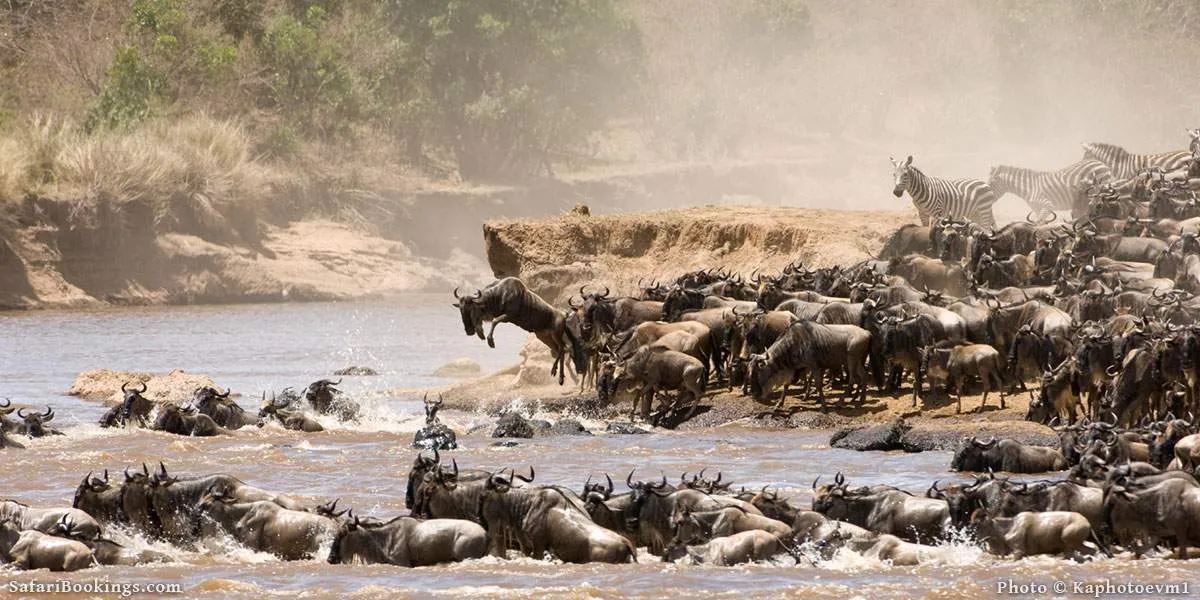 Image unavailable
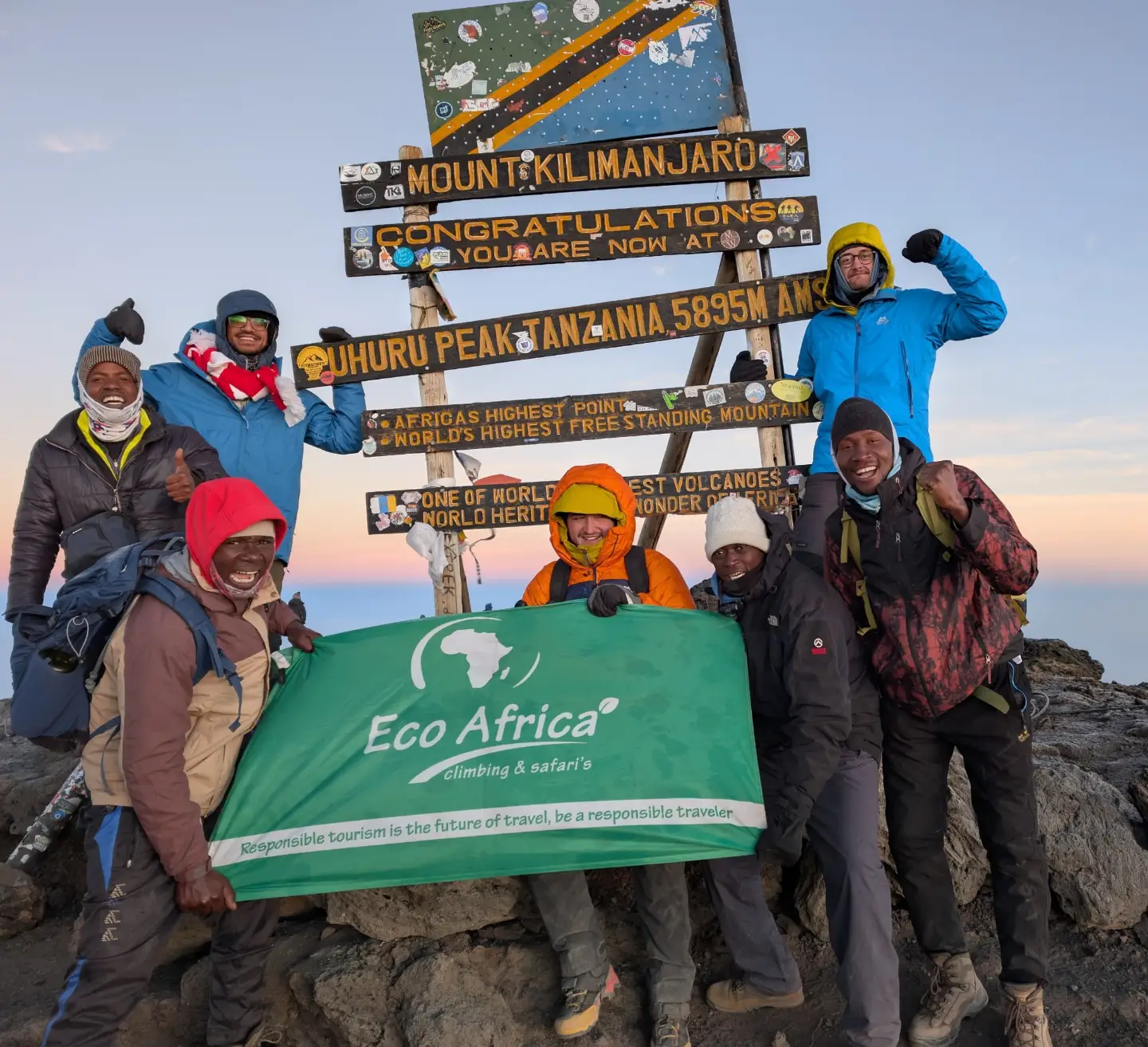 Image unavailable
Keep exploring
11–15 Nov
8–14 Dec
10–14 Dec
12–20 Jan
Itineraries · 6 min
Itineraries · 8 min
Best Of · 8 min
Retreats · 6 min
Practical · 5 min
Blog · 3 min
Countries · 7 min
Meet Africa’s makers. See the days our guests take home.
Host film · 9 min
El Vaso · Kenya
 Host film · 7 min
Ocean Sole · Kenya
 Host film · 3 min
SF|Duka · Athi River, Kenya
 Host short
Egware Museum · Nairobi, Kenya
 Host short
Mammam · Nairobi, Kenya
 Activity short
Diani, Kenya
 Activity short
Nairobi, Kenya
 Activity short
Kenya
 Activity short
Kenya
 Activity short
Kenya
 Activity short
Kenya
 Guest story
O.D · Kereita, Kenya
 Guest story
B. M. · Nairobi, Kenya
 Guest story
S. O. · Nairobi, Kenya
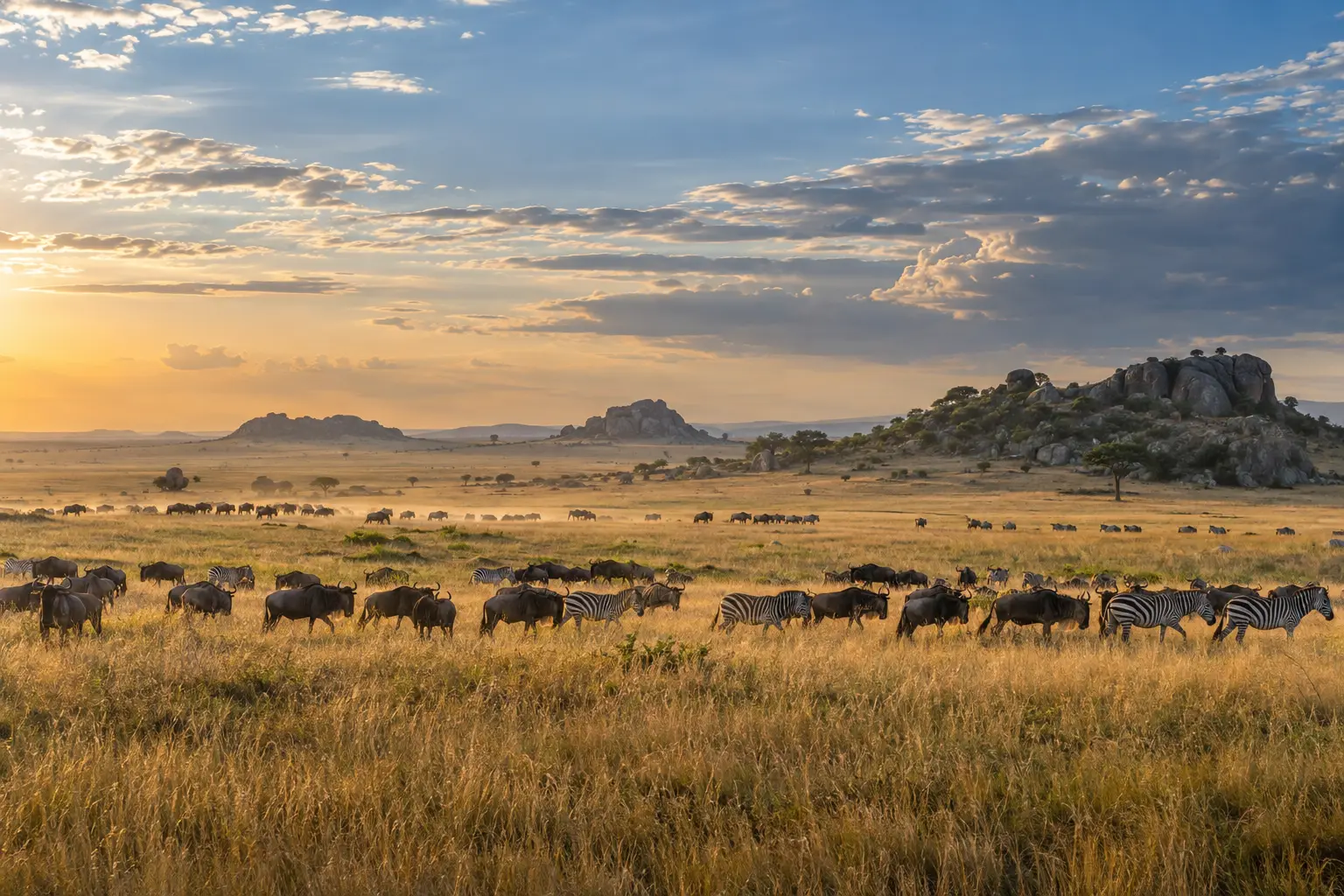
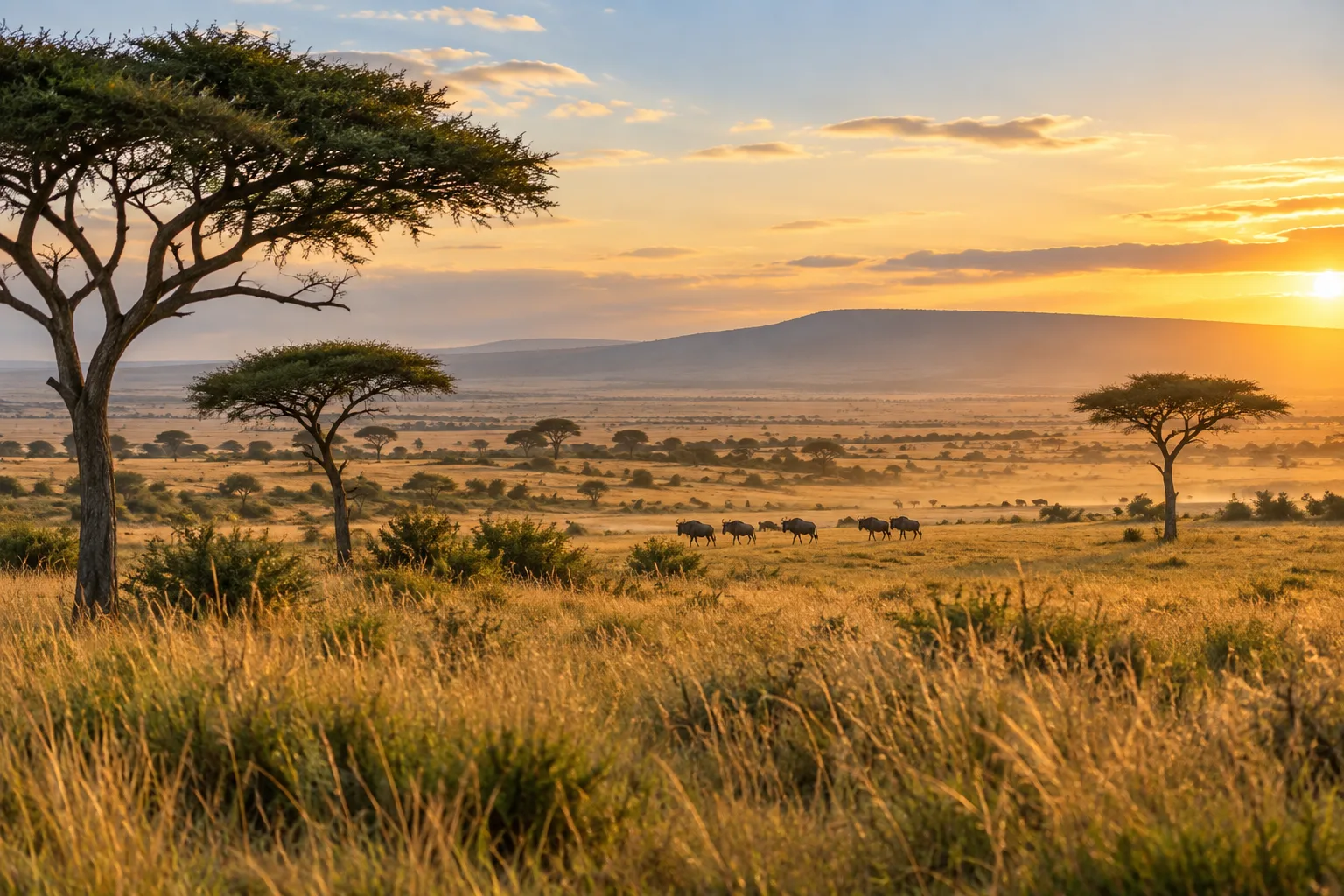
June to October is the classic dry-season window for wildlife viewing, when vegetation thins and animals concentrate near water, though parks are rewarding year-round. The short rains fall around November and December, and the long rains from March to May make some tracks slow. The wildebeest migration moves across the Serengeti ecosystem on its own schedule, so no month guarantees river crossings. Ask hosts what each season shows, and trust park conditions over calendars.
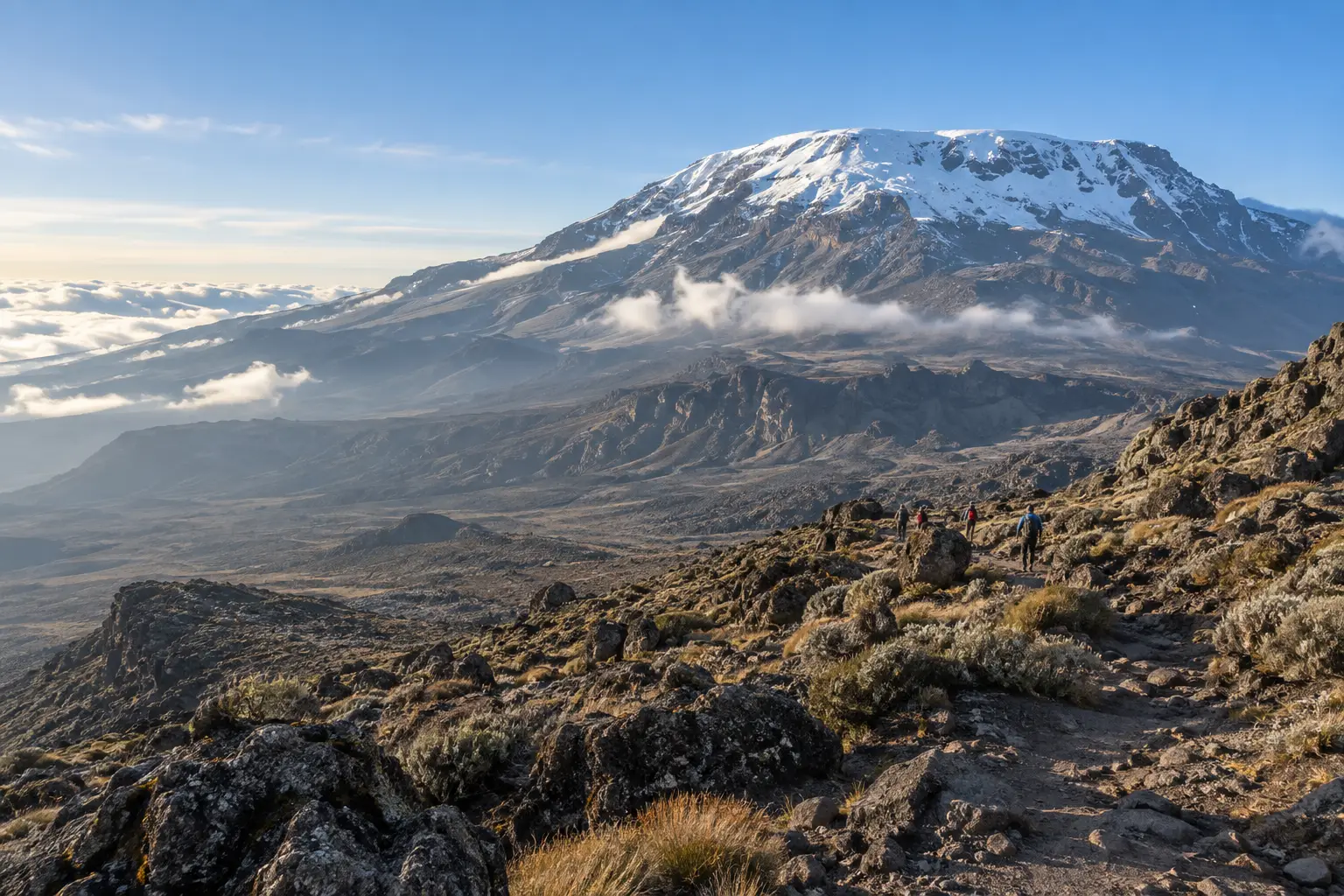
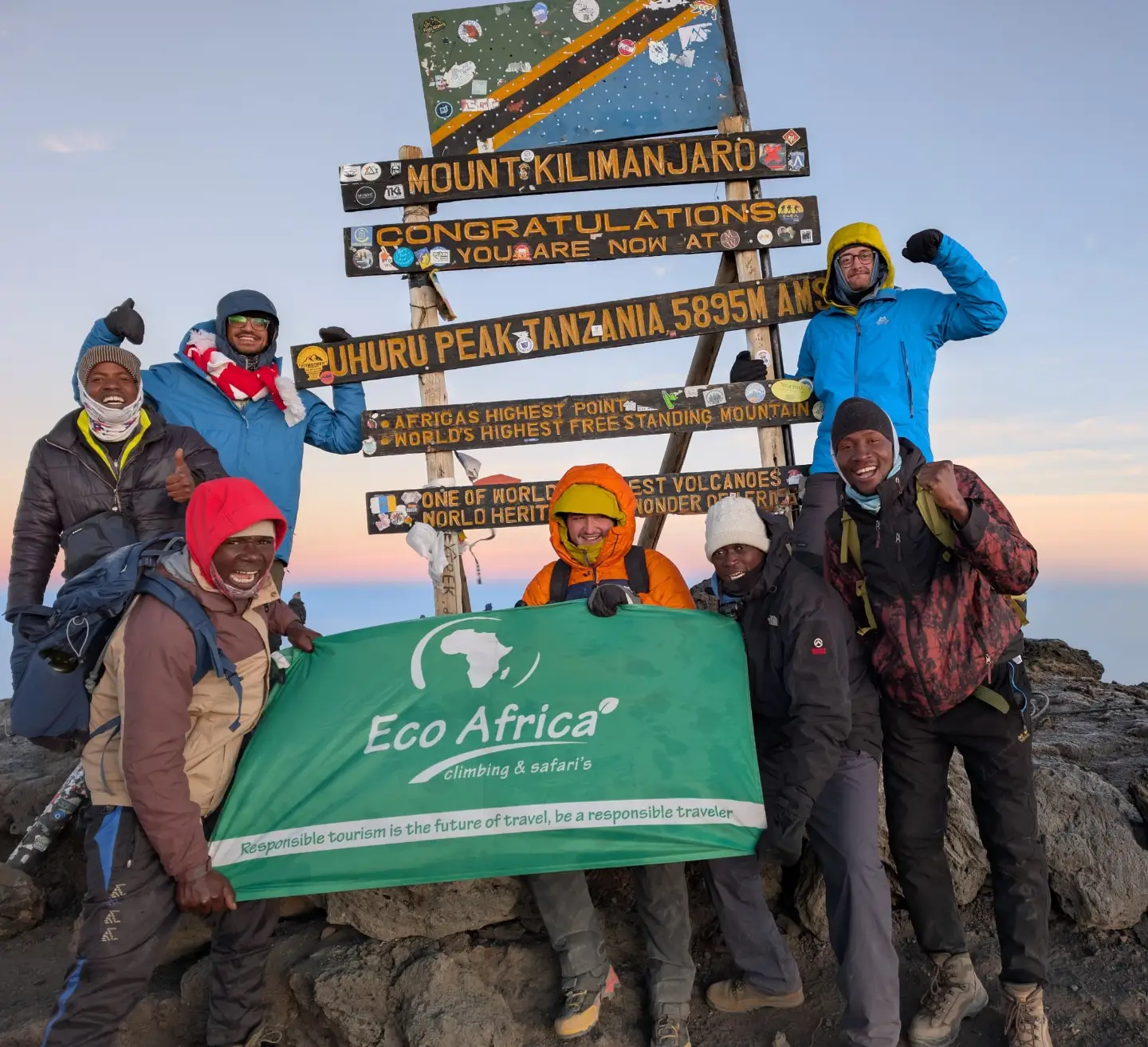
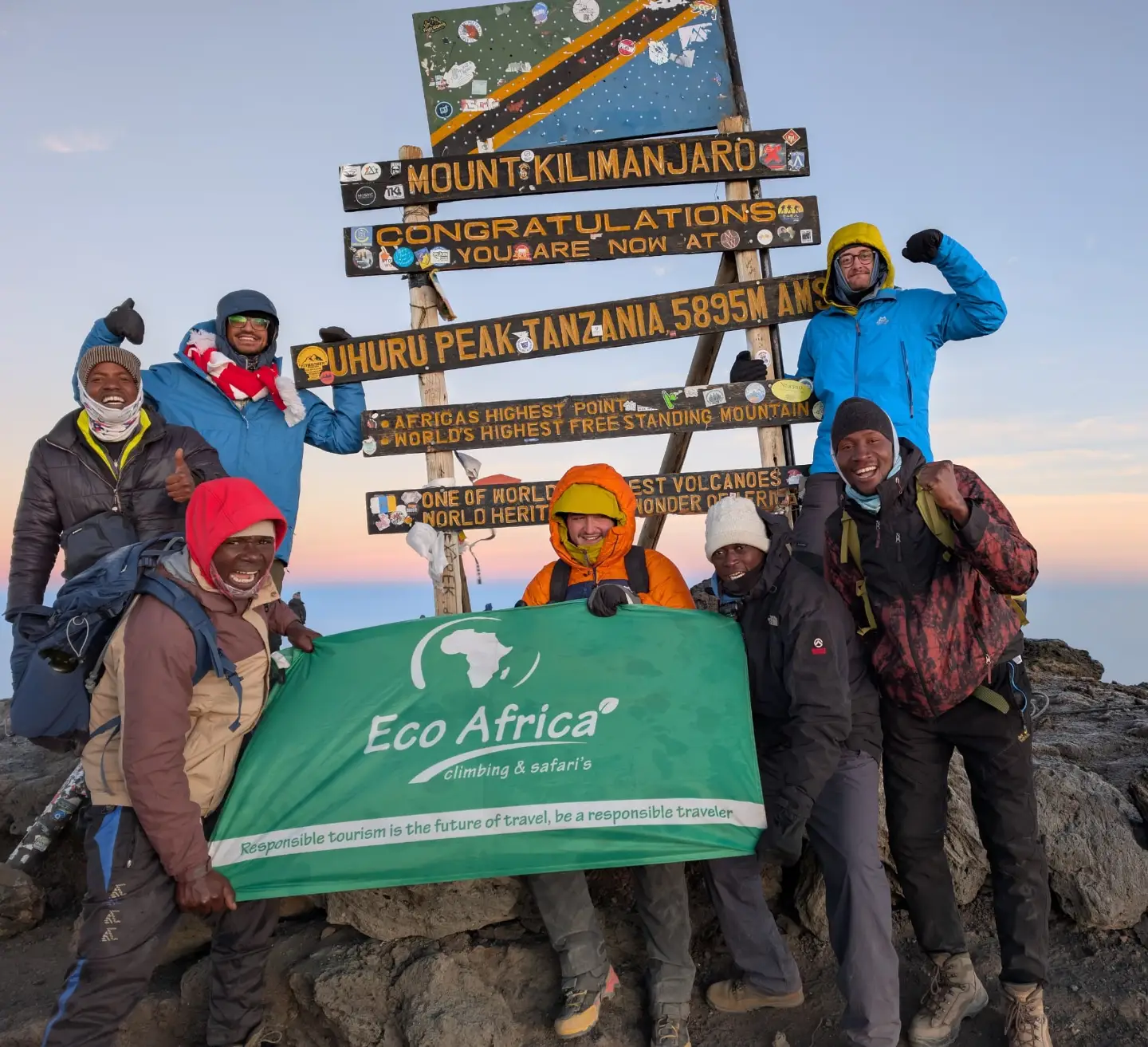
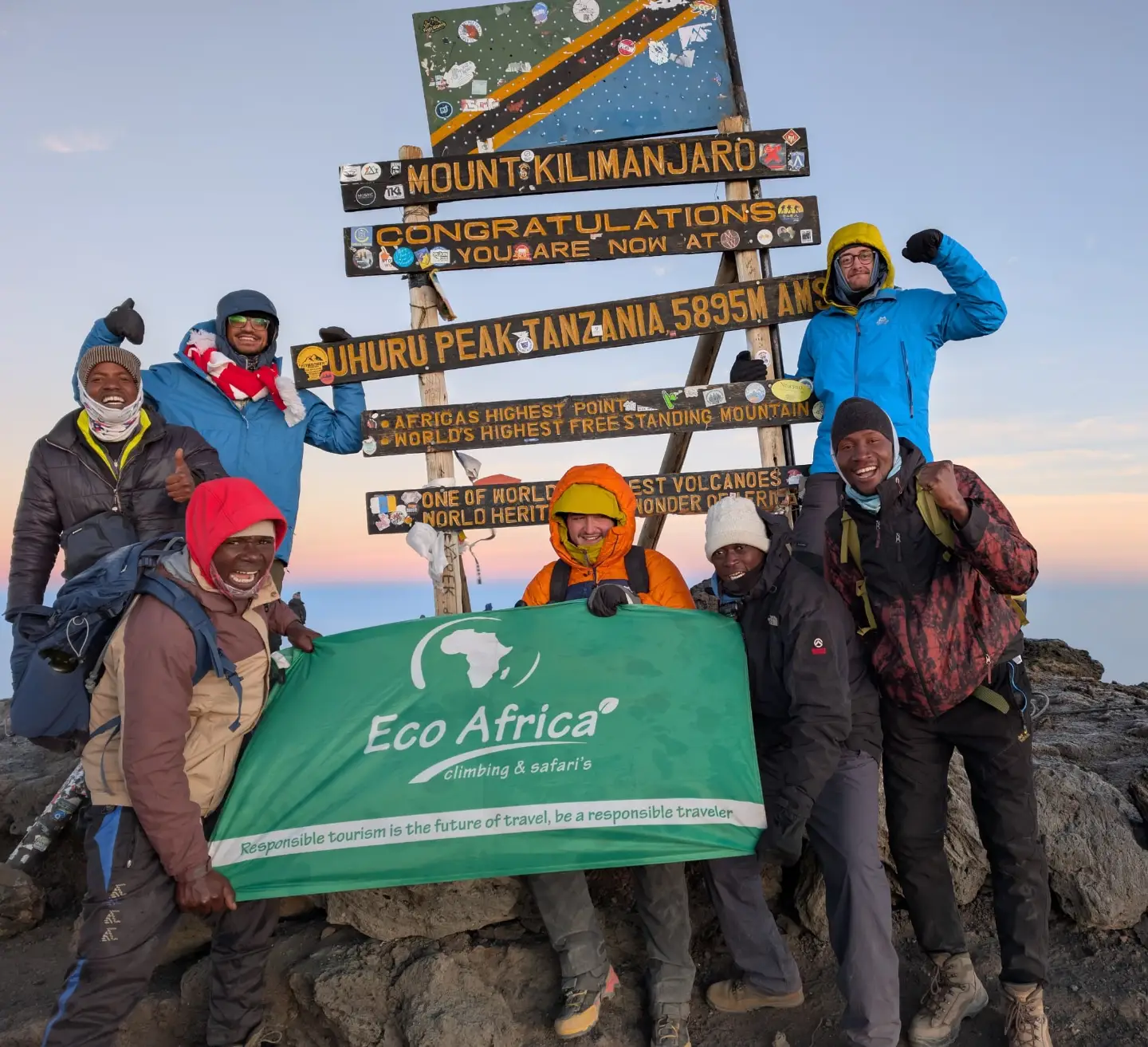
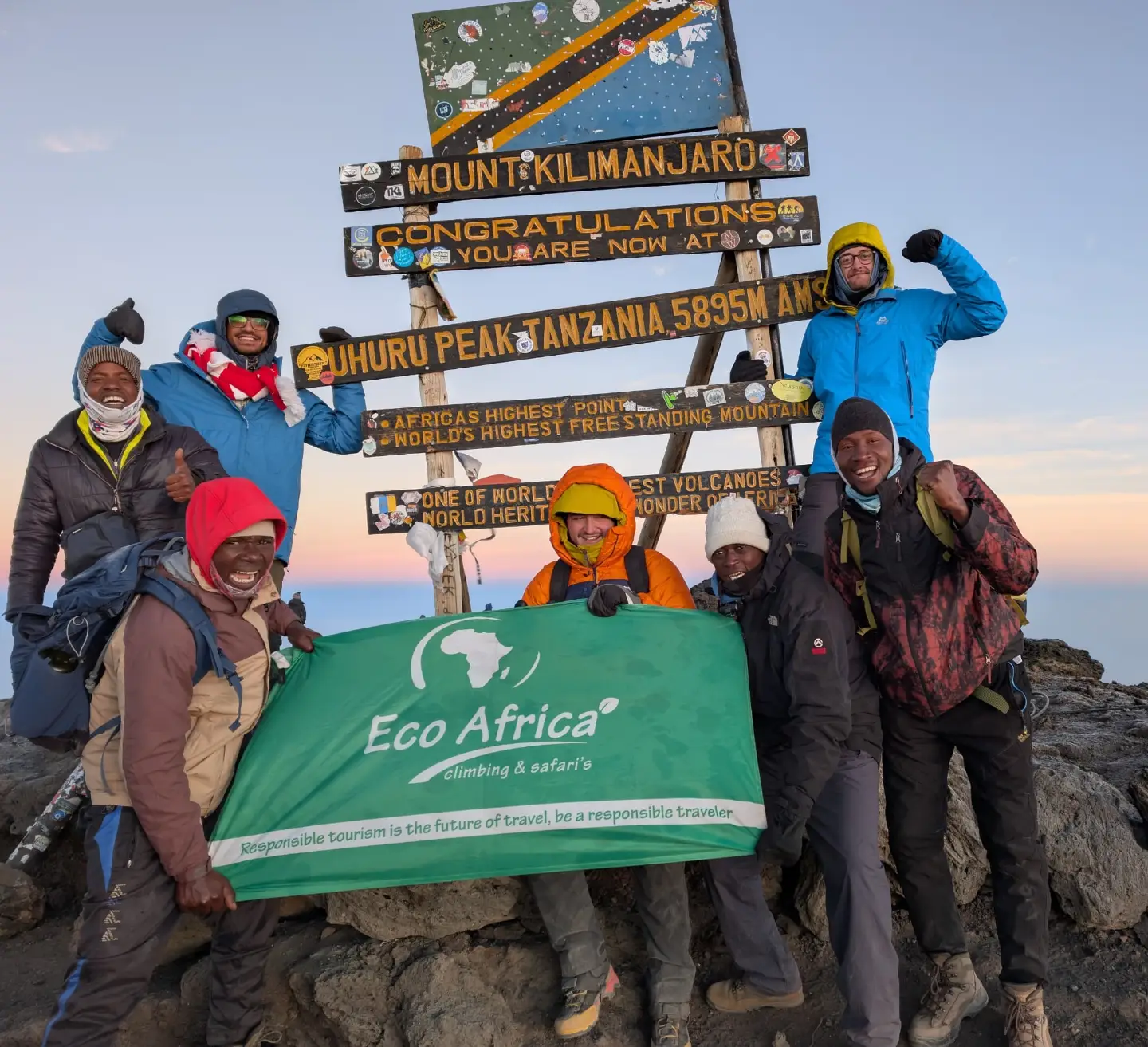
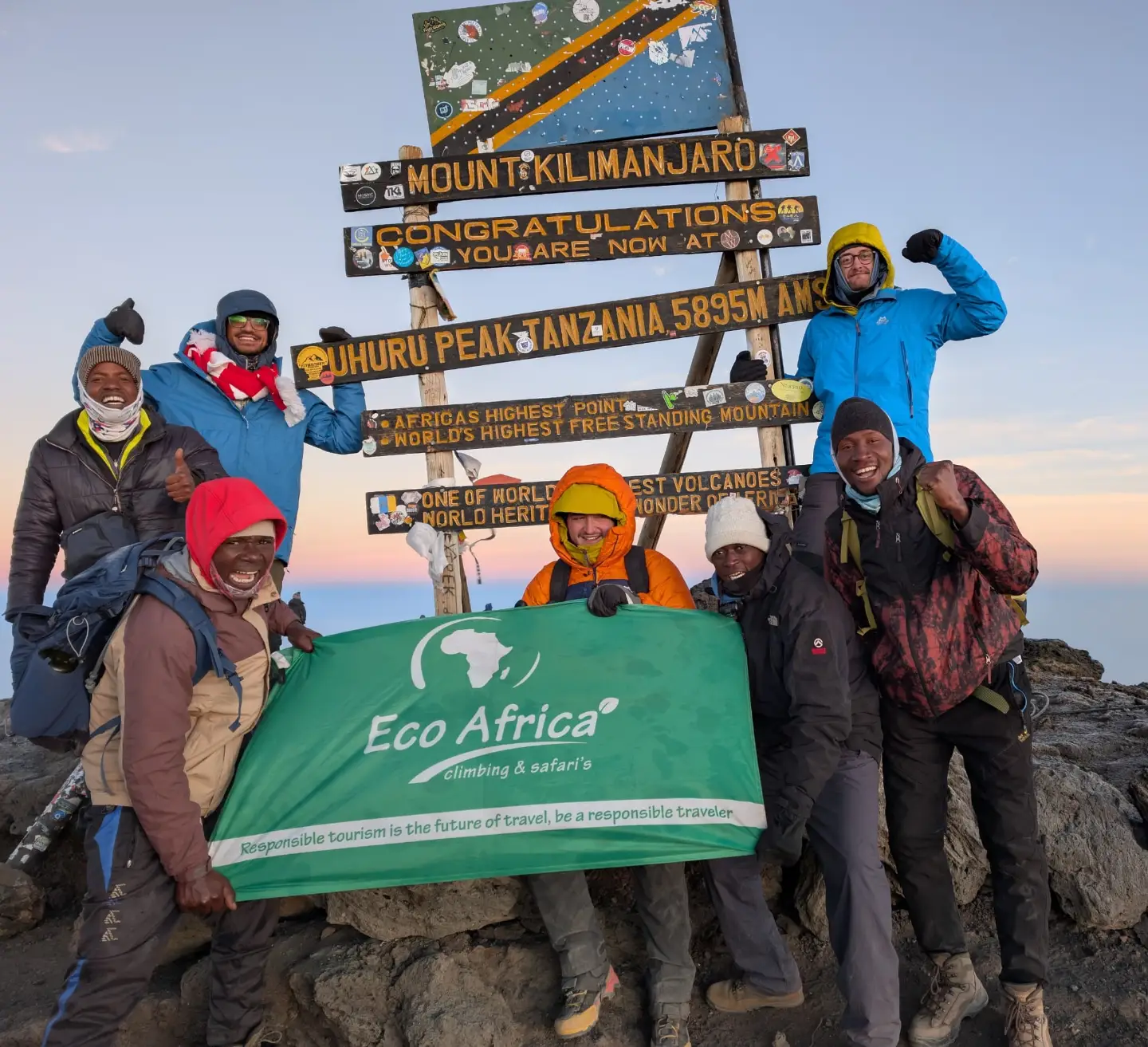
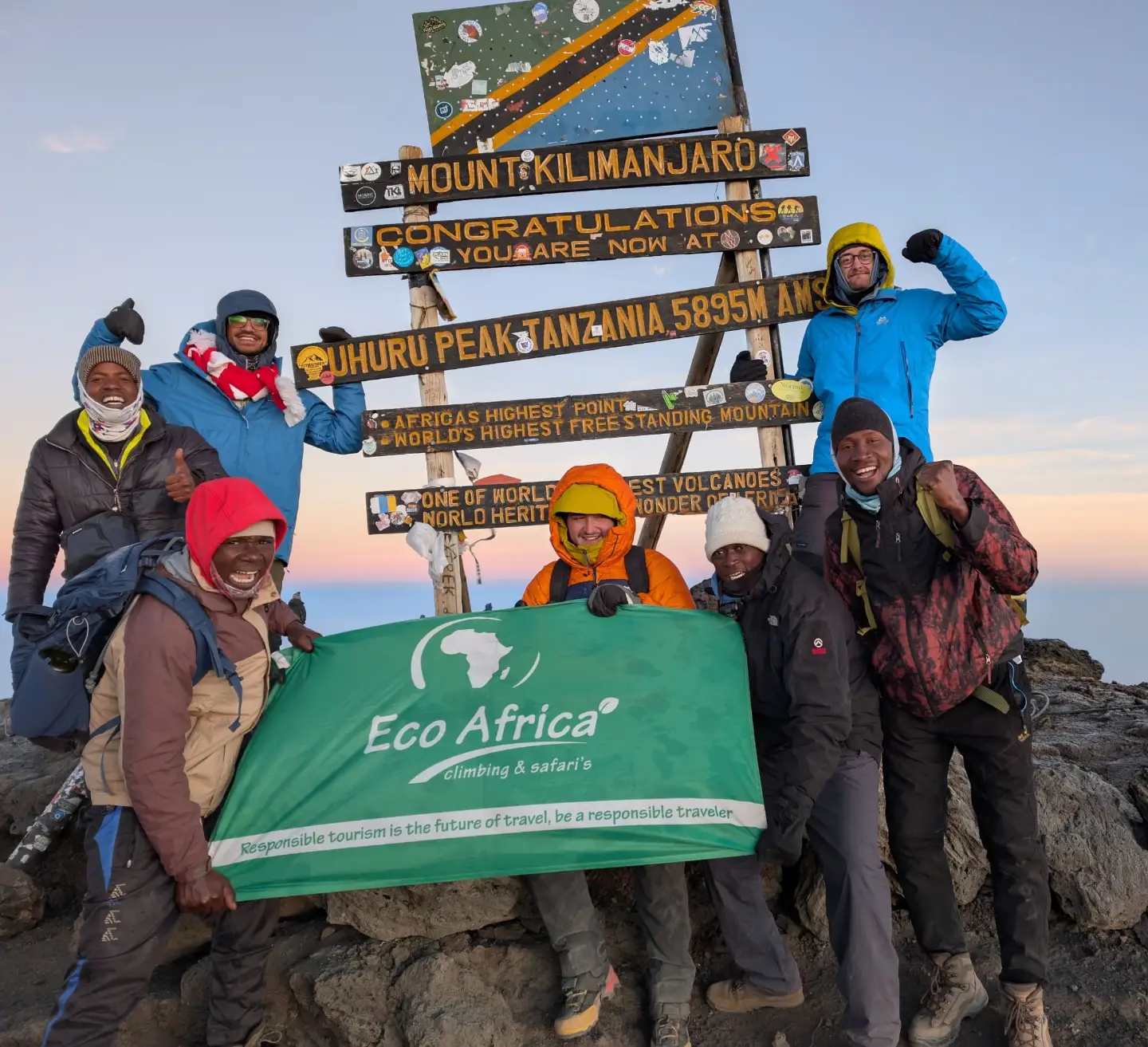
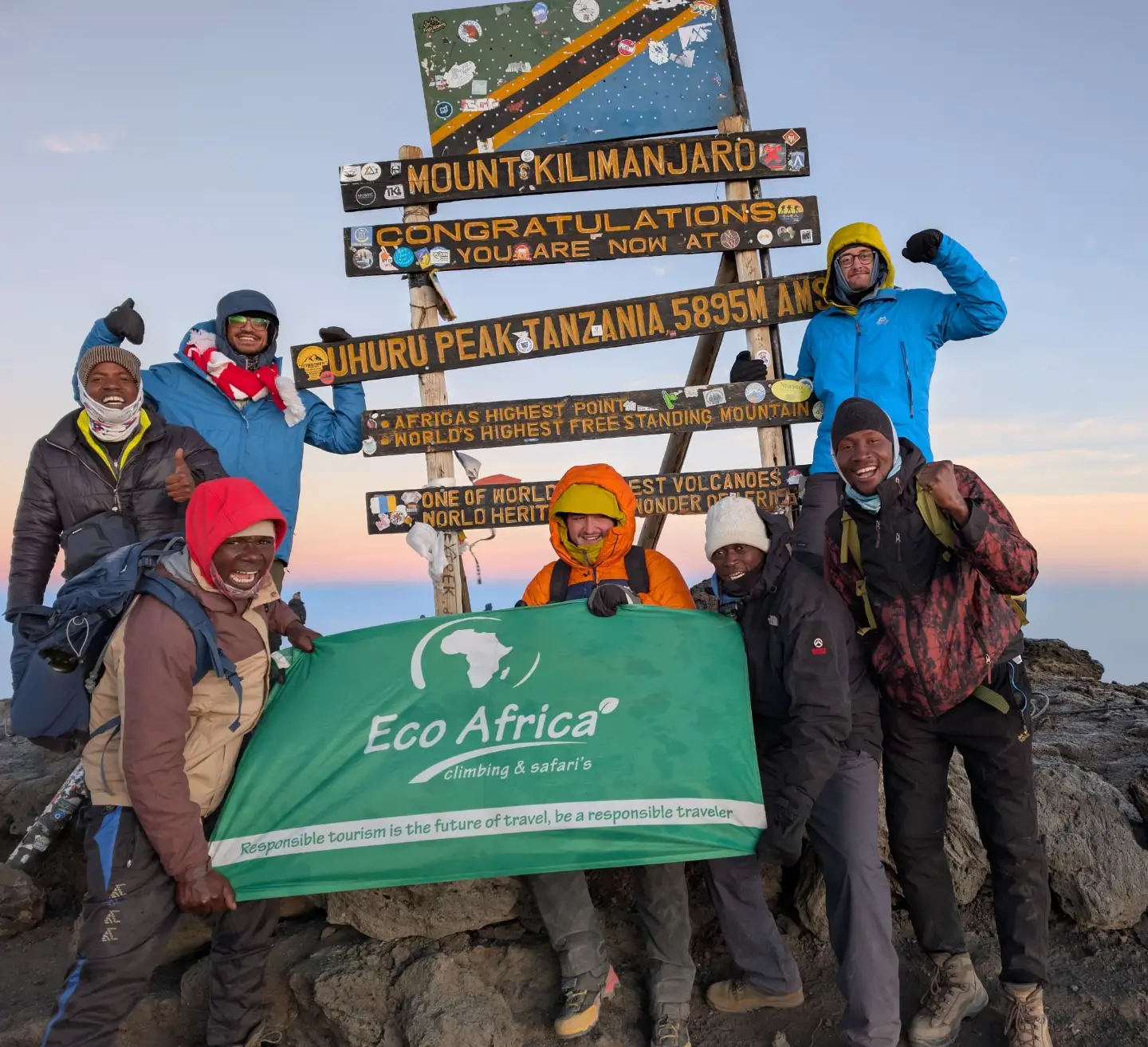
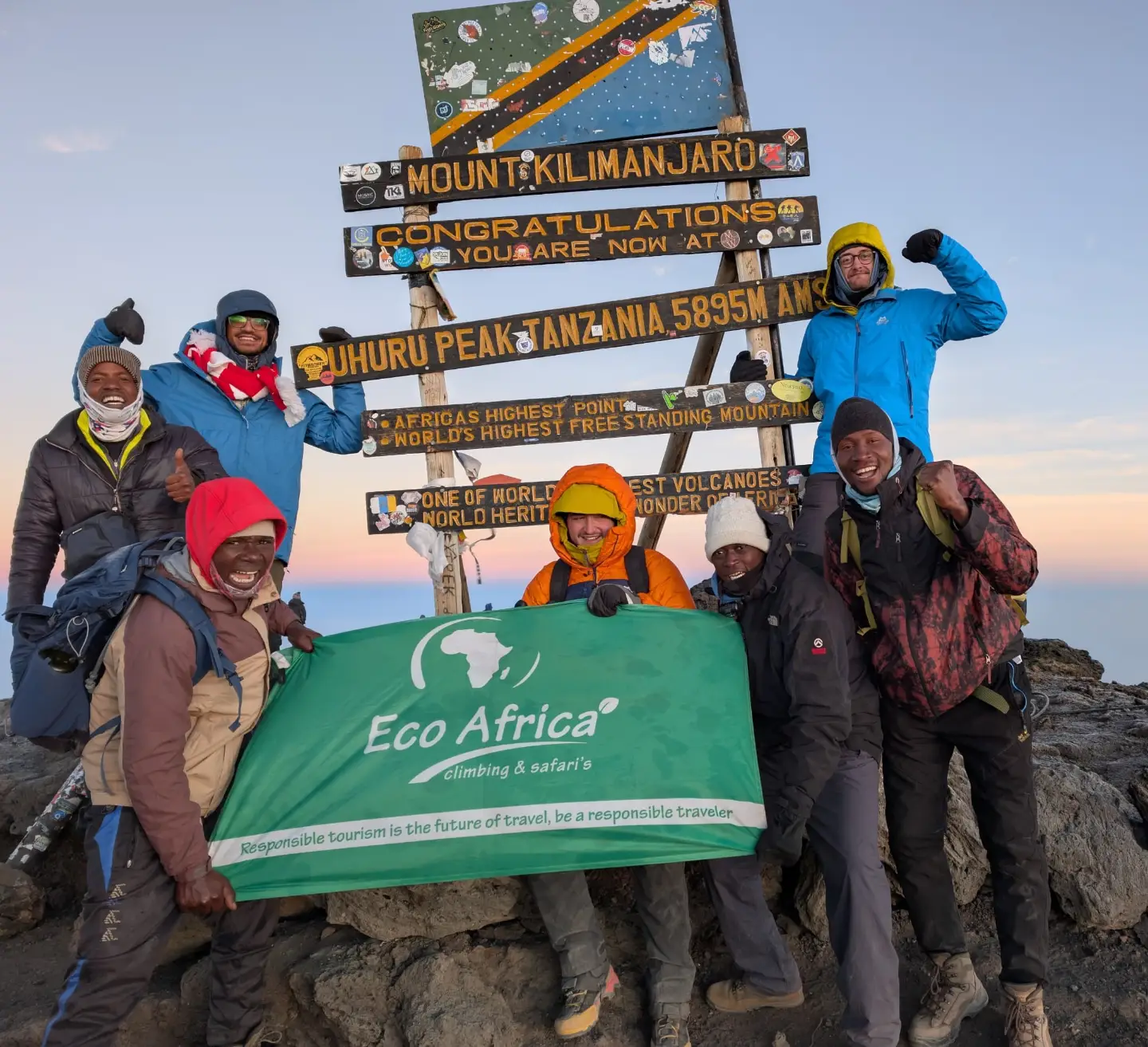
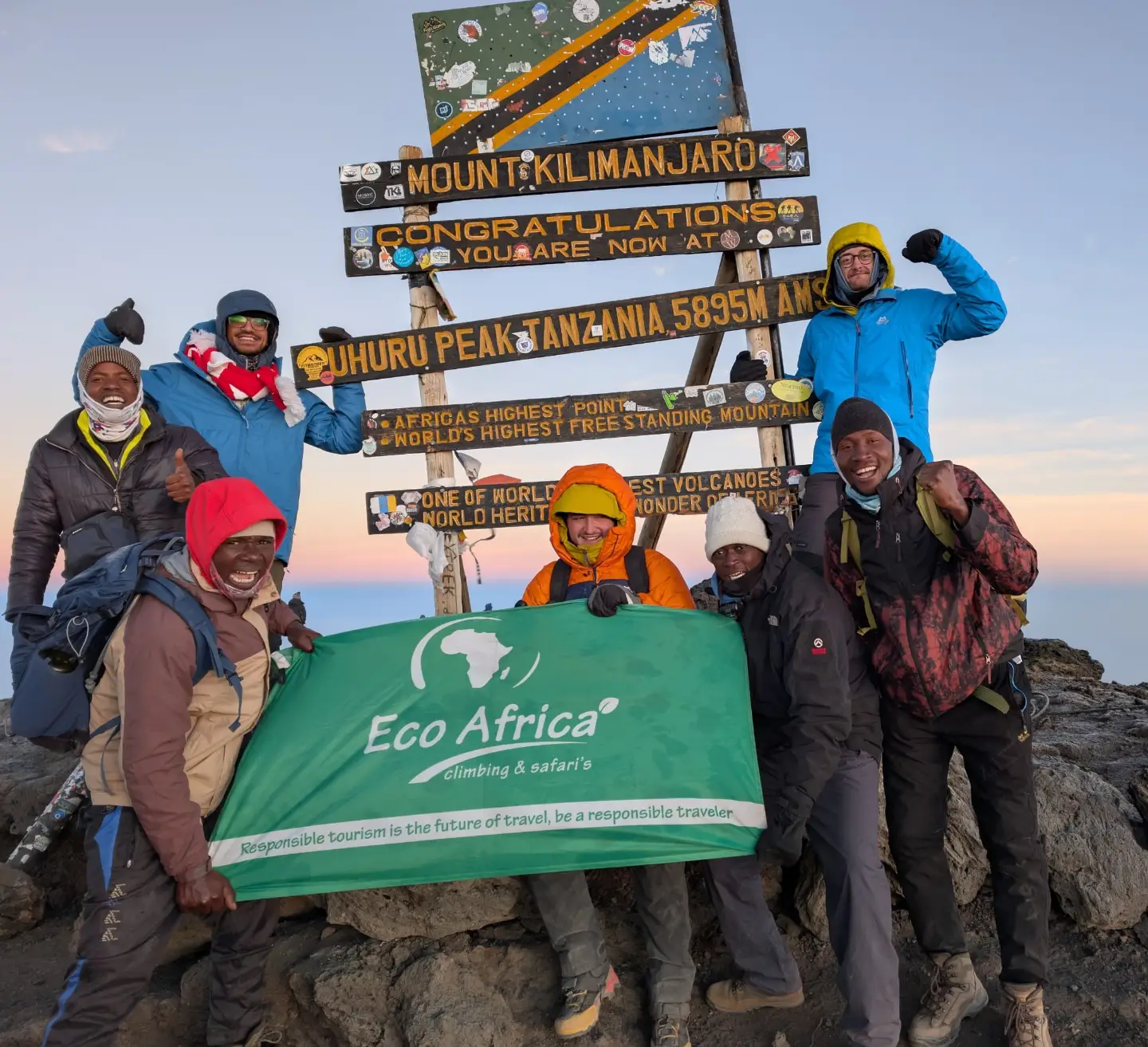
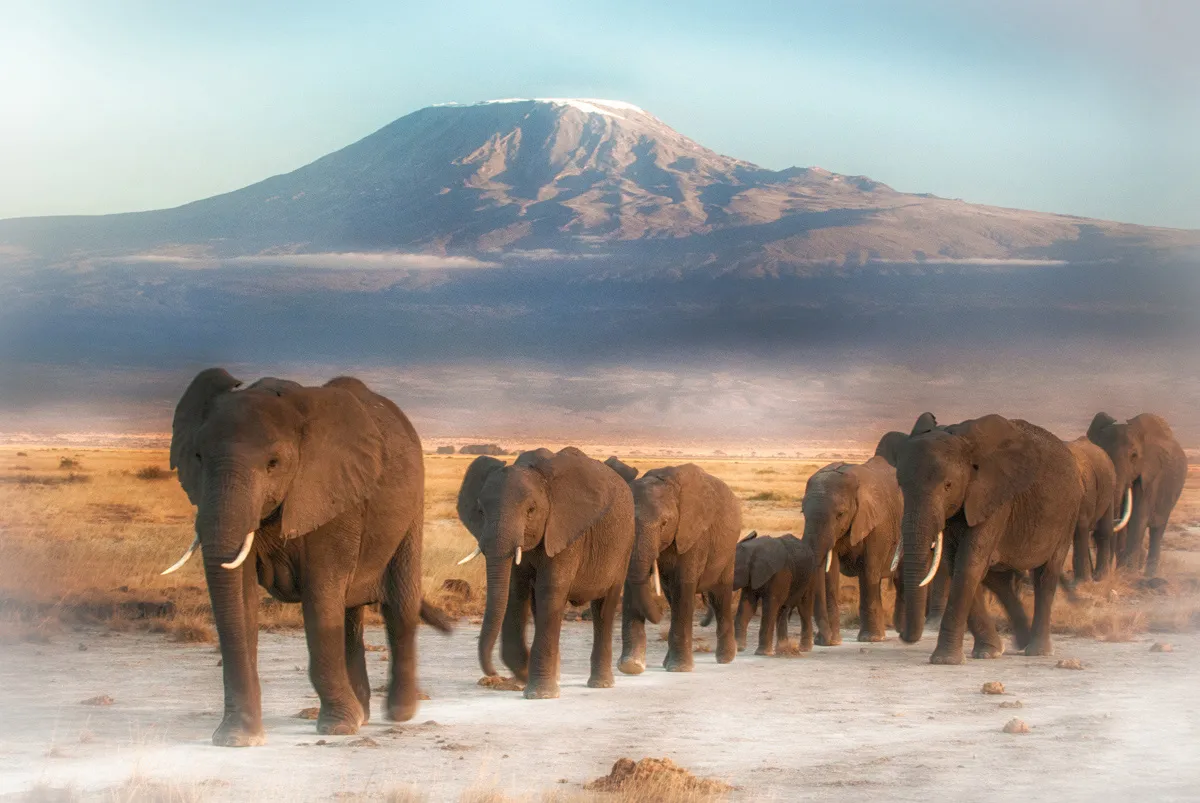
Yes. Summit treks must be led by licensed guides through authorised operators, and the park rules protect both climbers and porters. Route choice, acclimatisation days and crew experience matter more than the number of days alone; a slower plan raises comfort and success. Visatile listings show what is included (crew, transfers, equipment) so you can compare honestly. Treat altitude seriously, and be candid with the operator about health and experience.
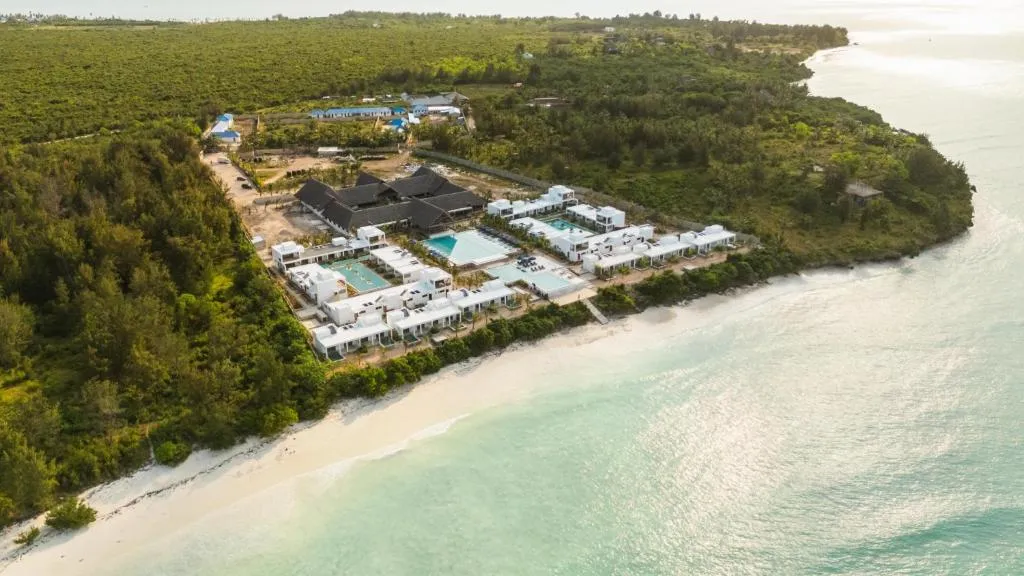
Yes, and it is the classic pairing. Safari vehicles end in Arusha, then a short flight reaches Zanzibar for beaches, Stone Town walking tours and spice experiences, keeping one trip but two paces. Internal flights are the practical link; road journeys between Dar es Salaam, Arusha and the parks are long. Leave a rest day between the bush and the coast, and let a single trip plan carry both legs.
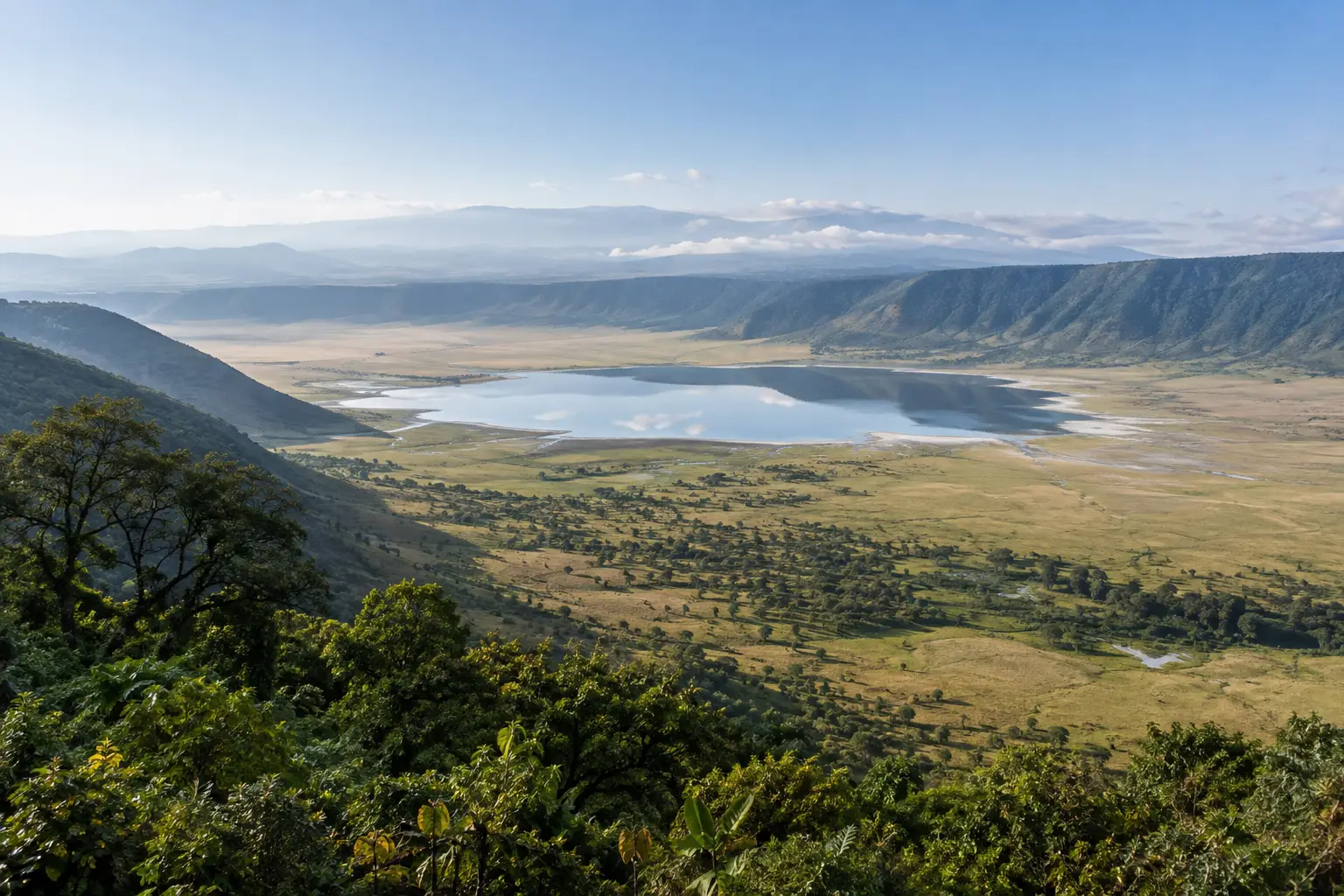
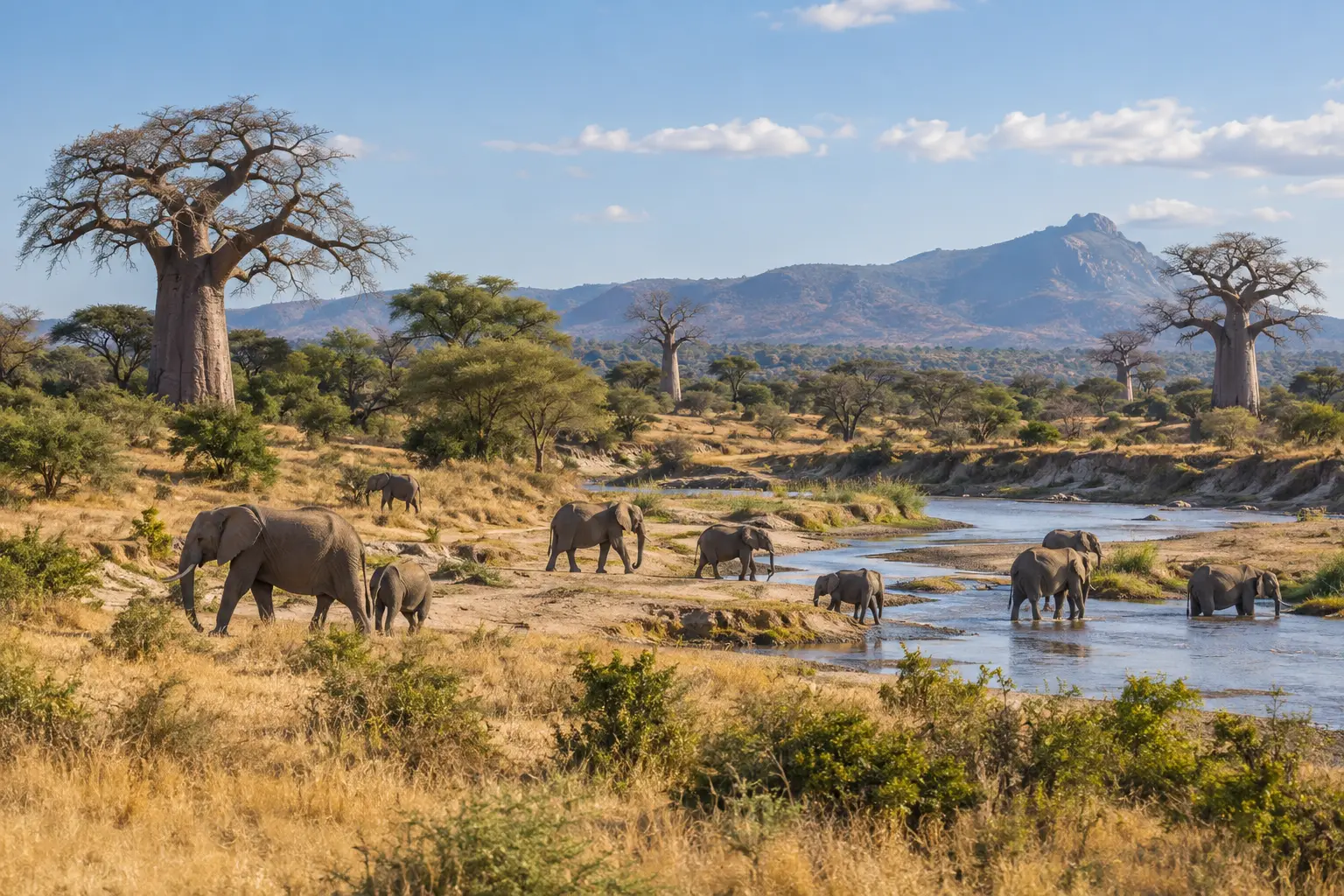
The northern circuit is the usual answer. Serengeti offers open plains and the migration context, Ngorongoro concentrates wildlife in a compact crater, and Tarangire is known for elephants and baobab landscapes. Each park suits a different pace and budget, and park fees and transfers vary, so compare listings by sector, vehicle and duration. First-time safari travellers usually get more from two relaxed parks than four rushed ones.
Cards work in Arusha, Dar es Salaam and Zanzibar's larger hotels and restaurants, but Tanzanian shillings still rule markets, village shops, tips and small purchases. Some safari extras and curio sellers quote US dollars, so agree the currency first. ATMs are concentrated in towns, so carry enough shillings for a few days away from them. Activities booked on Visatile are paid through the platform, which handles the main costs.
One weekly email with new experiences, upcoming trips, collections and ready-made itineraries.
One useful email a week. Unsubscribe any time.